Category: Parkinsons Disease Information(Page 7 of 16)
Access 20 years of research focused on identifying natural approaches, therapies and treatments that offer the opportunity to celebrate relief from the symptoms associated with a diagnosis of Parkinsons disease.
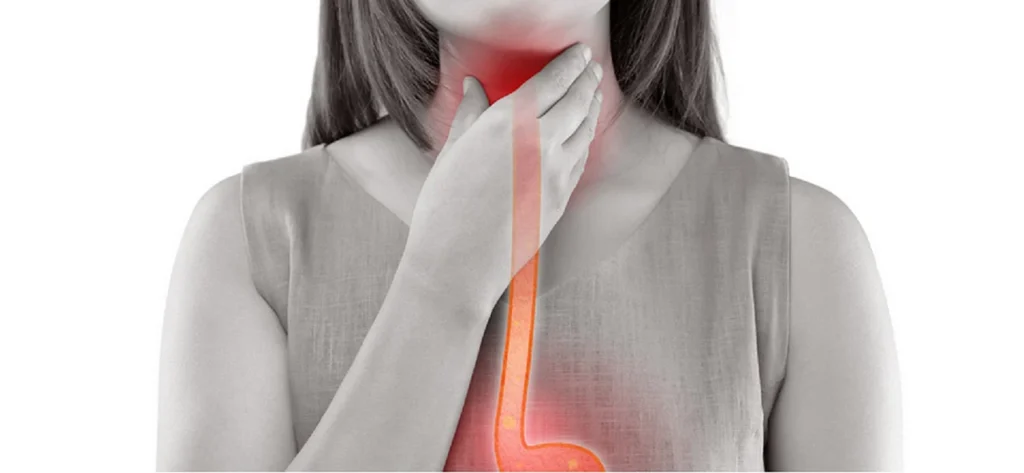
Difficulty with swallowing safely is a typical symptom of Parkinsons. How do you know for sure that you have a swallowing problem and if you do, what do you do about it?
Dr. Joel Herskowitz, M.D. and Dr. Roya Sayadi, Ph.D., authors Swallow Safely answer these questions and explain the critical role of swallowing safely for persons with Parkinson’s symptoms.
Swallow Safely presents in non-technical language how swallowing works normally, how things can go wrong and what symptoms to watch out for. The book is written primarily for persons with neurological challenges problems such as stroke, Parkinson disease, multiple sclerosis, cancer, and Alzheimer disease, all of which are commonly associated with swallowing problems. Appendices include a Letter For Your Doctor and Suggestions For Safe Swallowing.
You can order Swallow Safely by clicking on Swallow Safely
Robert Rodgers PhD Founder 2004 Parkinsons Recovery® Road to Recovery from Parkinsons Disease https://www.parkinsonsdisease.me robert@parkinsonsrecovery.com
Below find directions for preparing Broccoli Seed Tea which contains the bioactive compound sulforaphane. This process involves a crucial two-step reaction using both broccoli seeds and ground white mustard seeds as a myrosinase enzyme source.
Broccoli Seed Tea Recipe
Ingredients:
Dry, high-quality broccoli seeds: 1 tablespoon (or about 15g to 35g, depending on the desired strength)
Ground white mustard seeds (sinapis alba): 1/8 to 1 teaspoon
Water: Approximately 1 cup (or 100-200ml)
Instructions:
Heat the water: Bring water to approximately 60°C (140°F). This deactivates an enzyme (ESP) that reduces sulforaphane yield in broccoli. Do not boil, as high heat destroys the necessary myrosinase enzyme.
Combine seeds and water: Add the desired amount of dry broccoli seeds to the hot water.
Allow extraction: Let the mixture sit for about 10 minutes. This step helps extract the precursor compound, glucoraphanin, from the seeds.
Add myrosinase source: Stir in the ground white mustard powder. This provides the active myrosinase enzyme needed to convert the glucoraphanin into sulforaphane.
Activate sulforaphane: Let the mixture sit for an additional 10 minutes to allow the conversion reaction to occur.
Consume: The mixture can be consumed as is. Or, blend the preparation into a smoothie with other ingredients like fruit, nuts, or protein powder to improve the taste and texture.
Early evidence suggests that this tea was most helpful for addressing symptoms including fatigue, sleep quality, and lack of motivation. Urinary incontinence and nocturnal urinary frequency showed significant improvement as well.
The studies posted below suggest it should also be useful to treat the symptoms of neurological conditions such as Parkinsons and Alzheimers.
The primary role of sulforaphane is to enhance energy production in neurons by reducing damage to mitochondria. Oxidative stress is likely to be the predominant mechanism in the development of the process that gives rise to these non-motor symptoms.
Research on Sulforaphane as a Treatment for Neurological Conditions
Nutrients. 2025 Apr 15;17(8):1353. Sulforaphane and Brain Health: From Pathways of Action to Effects on Specific Disorders
Abstract
The brain accounts for about 2% of the body’s weight, but it consumes about 20% of the body’s energy at rest, primarily derived from ATP produced in mitochondria. The brain thus has a high mitochondrial density in its neurons because of its extensive energy demands for maintaining ion gradients, neurotransmission, and synaptic activity. The brain is also extremely susceptible to damage and dysregulation caused by inflammation (neuroinflammation) and oxidative stress.
Many systemic challenges to the brain can be mitigated by the phytochemical sulforaphane (SF), which is particularly important in supporting mitochondrial function. SF or its biogenic precursor glucoraphanin, from broccoli seeds or sprouts, can confer neuroprotective and cognitive benefits via diverse physiological and biochemical mechanisms. SF is able to cross the blood-brain barrier as well as to protect it, and it mitigates the consequences of destructive neuroinflammation.
It also protects against the neurotoxic effects of environmental pollutants, combats the tissue and cell damage wrought by advanced glycation end products (detoxication), and supports healthy glucose metabolism. These effects are applicable to individuals of all ages, from the developing brains in periconception and infancy, to cognitively, developmentally, and traumatically challenged brains, to those in later life as well as those who are suffering with multiple chronic conditions including Parkinson’s and Alzheimer’s diseases.
********
Biochem Pharmacol. 2025 Mar:233:116797. Sulforaphane: An emerging star in neuroprotection and neurological disease prevention
Abstract
Neurological diseases, including both acute injuries and chronic neurodegenerative disorders, represent major contributors to morbidity and mortality worldwide. Chronic neurodegenerative diseases, such as Alzheimer’s disease (AD) and Parkinson’s disease (PD), which require long-term management, present significant challenges in the search for neuroprotective agents with reduced adverse effects and enhanced therapeutic efficacy.
Sulforaphane (SFN), a bioactive compound found in cruciferous vegetables like broccoli and cauliflower, has garnered considerable attention for its potent neuroprotective properties and overall health benefits. Marketed primarily as a dietary supplement, SFN has shown a variety of biological activities and therapeutic potential in neurological diseases.
Recent surging studies including ours have highlighted its ability to impede the progression of AD, PD, and cerebral ischemia by fostering neurogenesis and inhibiting apoptosis, oxidative stress, and neuroinflammation. This review aims to summarize the latest research on SFN, exploring its advanced therapeutic potential and underlying mechanisms in various neurological diseases, offering a comprehensive overview for researchers focused on neurological pathogenesis and drug development in neuroprotection.
********
Int J Mol Sci. 2020 Nov 16;21(22):8637. Efficacy of Sulforaphane in Neurodegenerative Disease
Abstract
Sulforaphane (SFN) is a phytocompound belonging to the isothiocyanate family. Although it was also found in seeds and mature plants, SFN is mainly present in sprouts of many cruciferous vegetables, including cabbage, broccoli, cauliflower, and Brussels sprouts. SFN is produced by the conversion of glucoraphanin through the enzyme myrosinase, which leads to the formation of this isothiocyanate.
SFN is especially characterized by antioxidant, anti-inflammatory, and anti-apoptotic properties, and for this reason, it aroused the interest of researchers.
The aim of this review is to summarize the experimental studies present on Pubmed that report the efficacy of SFN in the treatment of neurodegenerative disease, including Alzheimer’s disease (AD), Parkinson’s disease (PD), and multiple sclerosis (MS). Therefore, thanks to its beneficial effects, SFN could be useful as a supplement to counteracting neurodegenerative diseases.
Studies soundly conclude that hydrogen therapy has a bounty of benefits for persons confronting neurological challenges. Delivery of hydrogen by breathing it turns out to be a more effective delivery system than drinking water infused with hydrogen. Units are also less expensive.
Benefits of Hydrogen Therapy
The benefits of infusing your lungs with hydrogen therapy are extensive.
Enhanced energy
Reduced inflammation
Improved circulation
Better brain function
Faster healing
Reduction in anxiety
Admittedly this is a long list of benefits. What does hydrogen therapy do for you? It makes your mitochondria more efficient. This in turn increases the production of ATP, the energy “food” for the body.
A companion benefit is restoration of healthy bacteria in the gut. Healthy gut improves digestion and reduces constipation.
In short, daily infusions of hydrogen offer a variety of benefits that can lead to a reduction in neurological symptoms.
Potential Issues with Hydrogen Therapy
If you are taking blood thinners, be sure to let your doctor know you are getting hydrogen therapy. It thins the blood and means you will need to take lower doses of the blood thinning medication prescribed by your doctor.
If you have a serious and chronic infection, best to put aside hydrogen therapy until the infection is cleared. The bacteria contain mitochondria as do all cells. Hydrogen therapy could potentially inflame the infection.
About Hydrogen Therapy
Here is the big picture. A company headed by an engineer has invented a machine that delivers hydrogen that you breath, not drink with hydrogen enriched water. www.h2biohacker.com. They report that breathing hydrogen for 3 hours a day for persons with Parkinson’s symptoms can offer welcome benefits.
The cost of their units are over 2,000 USD. I recommend you request a free consultation with Ben Tammetta, the CEO, to discuss this option further. Ask if he will grant you a discount. A 10% discount code that may still work is drtalks.
Abstracts on Hydrogen Therapy for Parkinsons
Biomater Sci. 2025 Feb 11;13(4):896-912. Application trends of hydrogen-generating nanomaterials for the treatment of ROS-related diseases
Abstract
Reactive oxygen species (ROS) play essential roles in both physiological and pathological processes. Under physiological conditions, appropriate amounts of ROS play an important role in signaling and regulation in cells. However, too much ROS can lead to many health problems, including inflammation, cancer, delayed wound healing, neurodegenerative diseases (such as Parkinson’s disease and Alzheimer’s disease), and autoimmune diseases, and oxidative stress from excess ROS is also one of the most critical factors in the pathogenesis of cardiovascular and metabolic diseases such as atherosclerosis.
Hydrogen gas effectively removes ROS from the body due to its good antioxidant properties, and hydrogen therapy has become a promising gas therapy strategy due to its inherent safety and stability. The combination of nanomaterials can achieve targeted delivery and effective accumulation of hydrogen, and has some ameliorating effects on diseases.
******
Mol Neurobiol. 2023 Apr;60(4):1749-1765. Molecular Hydrogen: an Emerging Therapeutic Medical Gas for Brain Disorders
Abstract
Oxidative stress and neuroinflammation are the main physiopathological changes involved in the initiation and progression of various neurodegenerative disorders or brain injuries. Since the landmark finding reported in 2007 found that hydrogen reduced the levels of peroxynitrite anions and hydroxyl free radicals in ischemic stroke, molecular hydrogen’s antioxidative and anti-inflammatory effects have aroused widespread interest.
Due to its excellent antioxidant and anti-inflammatory properties, hydrogen therapy via different routes of administration exhibits great therapeutic potential for a wide range of brain disorders, including Alzheimer’s disease, neonatal hypoxic-ischemic encephalopathy, depression, anxiety, traumatic brain injury, ischemic stroke, Parkinson’s disease, and multiple sclerosis.
This paper reviews the routes for hydrogen administration, the effects of hydrogen on the previously mentioned brain disorders, and the primary mechanism underlying hydrogen’s neuroprotection.
******
Mol Neurobiol. 2023 Apr;60(4):1749-1765. Molecular Hydrogen: an Emerging Therapeutic Medical Gas for Brain Disorders
Abstract
Oxidative stress and neuroinflammation are the main physiopathological changes involved in the initiation and progression of various neurodegenerative disorders or brain injuries. Since the landmark finding reported in 2007 found that hydrogen reduced the levels of peroxynitrite anions and hydroxyl free radicals in ischemic stroke, molecular hydrogen’s antioxidative and anti-inflammatory effects have aroused widespread interest.
Due to its excellent antioxidant and anti-inflammatory properties, hydrogen therapy via different routes of administration exhibits great therapeutic potential for a wide range of brain disorders, including Alzheimer’s disease, neonatal hypoxic-ischemic encephalopathy, depression, anxiety, traumatic brain injury, ischemic stroke, Parkinson’s disease, and multiple sclerosis.
This paper reviews the routes for hydrogen administration, the effects of hydrogen on the previously mentioned brain disorders, and the primary mechanism underlying hydrogen’s neuroprotection.
Symptoms of Parkinsons disease are troubling for everyone. The question I am asked more frequently is whether there ever will be a holy grail for Parkinsons Disease. Will a treatment ever be found that fixes everything?
Most people do not like my answer to this question. It would be so wonderful if a treatment could be found that would in fact fix everything. You have likely encountered websites and health care providers that promise to fix all of your problems.
The reason I know the answer to my question is no – there will never be a holy grail – is based on two reasons. I do not even like my answer, but here are the two reasons why.
First, there are a multitude of factors that cause the symptoms. Once a cause is identified (and there are usually many) it is then possible to identify treatment and therapies that can address it. But there will never be a treatment that fixes all of the causes. There are so many.
Say one of the primary causes for a person is toxins. There are many effective detox therapies that can address this particular cause. Detox protocols are not designed to address the challenge of persistent anxiety attacks or depression or trauma.
Second, I conduct a survey every holiday season which asks members of my audience whether they have been feeling better, the same or worse since the previous holiday season (a year ago). Results of my surveys over the years have been consistent. A third of respondents or more report feeling better.
I then ask respondents what therapies, treatments or steps have been helpful to them in feeling better. Does anyone report they found the holy grail that reversed all of their symptoms? No one reports this answer.
Persons who report feeling better report on average 6 different therapies or way that have embraced that are making the difference. These include a wide range of over 120 different natural options that have been proven to help people recover. It is the combination of methods that works the magic.
Summary
If you are frantic to find a holy grail for Parkinsons today, might I suggest you explore the potential causes of your symptoms first? That answer will guide your search for options that will make a difference to your recovery. Once the first cause is resolved, you are then invited to address a second or third cause.
The goal of course is the step back and realize you are getting better, little by little, day by day. The Road to Recovery is a process full of stops and starts. It is a journey that for whatever reason you have been invited to engage.
Has one of the treasured pleasures of life been lost. No longer able to smell a rose? Guess what? Olfactory training has been proven to reactivate the ability to smell.
What is Olfactory Training?
Olfactory training involved smelling distinct aromas such as rose, clove and eucalyptus several times a day for 10- 15 seconds per scent. It is recommended to take breaks between smelling the strong scents. As demonstrated in the review study below, olfactory training stimulates nerves in the nose to improve the brain’s ability to interpret and differentiate the varies aromas included in the training.
J Clin Med. 2025 Sep 18;14(18):6578. Olfactory Training for Post-COVID-19 Olfactory Dysfunction: A Meta-Analysis of Efficacy and Combination Therapies
Abstract
Background/Objectives: This systematic review and meta-analysis evaluated the effectiveness of olfactory training (OT) using standardized protocols in patients with post-COVID-19 olfactory dysfunction. The objective was to assess whether OT, compared to no treatment, placebo, or alternative therapies, improved olfactory function as measured using validated smell tests, including UPSIT, Sniffin’ Sticks (TDI score), CCCRC, and B-SIT.
Methods: A systematic search of PubMed, Web of Science, and Ovid Medline was conducted through February 2025 in accordance with PRISMA guidelines. Eight randomized controlled trials (RCTs) met the inclusion criteria. Data were extracted on study characteristics (author, year, country, design, sample size), population details (age, sex, post-COVID-19 cause), intervention type (training method, frequency, duration), comparators, outcome measures (baseline and post-intervention olfactory scores), follow-up duration, and reported adverse effects. Meta-analyses were performed using RevMan and Open Meta-Analyst.
Results: OT significantly improved the olfactory scores compared to those of the controls. The greatest improvement was observed when OT was combined with PEA-luteolin (MD = 4.62, 95% CI: 2.17-7.06, p = 0.0002), followed by EDTA (MD = 2.33, 95% CI: 0.58-4.08, p = 0.009). Corticosteroids showed a borderline benefit (MD = 1.34, 95% CI: 0.01-2.67, p = 0.05), while alpha-lipoic acid had no significant effect. Combination therapies were associated with higher recovery rates (RR = 1.65, 95% CI: 1.13-2.42, p = 0.01).
Conclusions: Olfactory training is an effective treatment for post-COVID-19 smell dysfunction.
Recent therapies make it possible to say goodbye to dementia.
Therapies to Sharpen Memory and Reverse Dementia
The number of new and innovative therapies that improve memory and cognition has skyrocketed over recent years. Many of them you have likely never even heard about. Recent research revelations are transforming how memory challenges can be successfully treated.
I warmly invite you to enroll in my new online course – Say Goodbye to Dementia. Cutting edge therapies are covered that nurture memory and support clear thinking. All recommendations are grounded in evidence based research.
The course includes a consultation with Robert Rodgers PhD, founder of Parkinsons Recovery. Family members are encouraged to participate in the consultations.
One predictor that an individual will develop symptoms associated with a diagnosis of Parkinsons is the loss of the ability to smell. Many people with Parkinsons believe that remedies for loss of smell do not exist. The belief is that once smell is lost, it is a done deal.
I suggest the body can always recover problematic symptoms by identifying and addressing the root cause or causes. One deficiency documented to be deficient in persons with Parkinsons symptoms is zinc which – you probably guessed it – is related to a loss of smell and an increased risk of dementia.
Zinc deficiencies can also cause a compromised immune system, hair loss and even a loss of appetite. Adequate levels of zinc protect against oxidative stress and the aggregation of the protein alpha-synuclein.
Most importantly, zinc helps regulate blood sugar levels which have been found problematic in persons with Parkinsons. It reduces the impact of insulin resistance and helps improve regulation of sugar levels.
A word of caution. While too little zinc causes a variety of symptoms an excess could potentially be harmful, especially is applied through a nasal applicator. As with all supplemental regimens, balance is the key to recovery.
Two Other Remedies for Loss of Smell
Studies show a significant B12 and vitamin D deficiencies in persons with Parkinsons symptoms. Both are also implicated with an impaired ability to smell.
Summary
Eager to smell better? Talk with your doctor about treating deficiencies of zinc, B12 and Vitamin D by taking supplements or eating foods that contain them,
I predict you will be pleased with the outcome. After all, smell is one of the magical wonders of life.
Berberine is a natural compound found in the roots, stems, and the bark of various plants such as European barberry, goldenseal, Oregon grape, and tree turmeric. It also facilitates the production in the body of the AMPK enzyme found to be deficient in individuals confronting neurological challenges.
Available as an over the counter supplement in companies such as Life Extension for a modest cost.
Recent studies report a strong connection between insulin resistance and Parkinson’s symptoms. Berberine supports healthy blood sugar metabolism which is another reason why researchers are suggesting its beneficial effects for Parkinsons and Alzheimers.
Below are listed abstracts of recent studies that recommend Berberine as a treatment for neurological conditions.
Neurotox Res. 2022 Aug;40(4):1096-1102. Can Berberine Serve as a New Therapy for Parkinson’s Disease?
Abstract
Parkinson’s disease (PD) is a neurodegenerative disorder characterized by dopaminergic neurodegeneration and deposition of alpha-synuclein. Mechanisms associated with PD etiology include oxidative stress, apoptosis, autophagy, and abnormalities in neurotransmission, to name a few. Drugs used to treat PD have shown significant limitations in their efficacy.
Recent focus has been placed on the potential of active plant ingredients as alternative, complementary, and efficient treatments. Berberine is an isoquinoline alkaloid that has shown promise as a pharmacological treatment in PD, given its ability to modulate several molecular pathway associated with the disease. Here, we review contemporary knowledge supporting the need to further characterize berberine as a potential treatment for PD.
Int J Clin Pharmacol Ther. 2025 Sep;63(9):432-438. Anti-neurodegenerative treatment in Alzheimer’s disease: Multifaceted mechanisms of action of berberine
Abstract
Background: Berberine, a traditional Chinese medicine, has demonstrated significant therapeutic influences in treating diabetes, obesity, and diarrhea, among other conditions. It has exhibited potential therapeutic benefits for various neurodegenerative diseases, namely, Alzheimer’s disease (AD), Huntington’s disease (HD), and Parkinson’s disease (PD).
Aims: This study aims to elucidate the mechanism behind berberine pharmacological action in treating AD.
Materials and methods: We search the articles published in PubMed and CNKI and summarize the mechanism of berberine in AD.
Results: In recent years, as research into the pharmacology of berberine has deepened, researchers have discovered its strong neuroprotective properties. The ability of berberine to enhance cognitive function is thought to result from inhibiting the spread of AD-related proteins, reducing oxidative stress and inflammation, increasing choline levels, and regulating autophagy.
Conclusion: This review explores the latest research on berberine in AD, suggesting that berberine and its analogs may offer a promising new approach to treating the condition.
Front Pharmacol. 2022 May 20:13:845591. Berberine: A Promising Treatment for Neurodegenerative Diseases
Abstract
Berberine, as a natural alkaloid compound, is characterized by a diversity of pharmacological effects. In recent years, many researches focused on the role of berberine in central nervous system diseases. Among them, the effect of berberine on neurodegenerative diseases has received widespread attention, for example Alzheimer’s disease, Parkinson’s disease, Huntington’s disease, and so on.
Recent evidence suggests that berberine inhibits the production of neuroinflammation, oxidative, and endoplasmic reticulum stress. These effects can further reduce neuron damage and apoptosis.
Chem Biodivers. 2025 Aug;22(8):e202500170. Unraveling Berberine’s Molecular Mechanisms in Neuroprotection Against Neurodegeneration
Abstract
Neurodegenerative diseases (NDs) exhibit significant global public health challenges due to the lack of effective treatments. Berberine (BBR), a natural alkaloid compound in various plants, has been recognized for its potential neuroprotective properties.
This review explores the current understanding of BBR’s mechanisms of action and its therapeutic potential in preventing and treating NDs such as Alzheimer’s disease, Parkinson’s disease, and Huntington’s disease.
BBR’s neuroprotective properties are attributed to its multifaceted actions, including anti-inflammatory, antioxidant, antiapoptotic, and neurotrophic effects. In addition, BBR can influence many signaling pathways involved in neurodegeneration, including AMP-activated protein kinase (AMPK), nuclear factor erythroid 2-related factor 2, and brain-derived neurotrophic factor pathways. Furthermore, BBR targets vital signaling pathways, including AMPK, PI3K/Akt, and MAPK, which are essential for developing NDs.
In addition, BBR’s efficacy in reducing neurodegenerative pathology and improving cognitive function has been demonstrated through preclinical studies using cellular and animal models. Clinical trials demonstrating BBR’s therapeutic potential in NDs have yielded promising results.
Inflammopharmacology. 2025 Apr;33(4):2129-2150. Neuroprotective efficacy of berberine and caffeine against rotenone-induced neuroinflammatory and oxidative disturbances associated with Parkinson’s disease via inhibiting ?-synuclein aggregation and boosting dopamine release
Abstract
Parkinson’s disease (PD) is characterized by motor impairment, glial-mediated inflammation, redox imbalance, and synuclein aggregation. Conventional therapies relieve early PD symptoms, but they do not repair dopaminergic neurons.
Berberine (BBR) and caffeine (CAF), both natural alkaloids, exhibited neuroprotective effects in many neurodegenerative disorders. Consequently, we hypothesized that the combination of BBR and CAF therapies would offer protection against PD-related impairments in the rotenone (ROT)-induced rat model when compared to the commercial drug, metformin (MTF).
Results showed that the combined administration of BBR (25 mg/kg/day) and CAF (2.5 mg/kg/day) for four weeks prevented motor deficits, weight reduction, dopamine (DA) depletion, and monoamine oxidase (MAO) activity in ROT-induced rats in comparison with monotherapy of BBR and CAF along with MTF. This combination produced a notable neuroprotective effect by reducing tumor necrosis factor (TNF)-? and interleukin-16 (IL-6) in midbrain of rats. BBR and CAF combinations markedly normalized tyrosine hydroxylase (TH) levels and decreased total ?-syn and ?-syn-pser129 aggregation and increased protein phosphatase 2A (PP2A) levels.
Histological analysis indicated that damaged neurons exhibited significant amelioration with the co-administration of BBR and CAF. The molecular docking results indicated that both BBR and CAF had notable binding affinity for the protein pocket surrounding the ?-syn, PP2A, and TH in comparison to MTF. They are predicted to serve as effective inhibitors of enzyme-mediated phosphorylation of ?-syn-pser129.
Conclusively, combined BBR and CAF administration presents a novel strategy for neuroprotection by blocking the initial events in PD incidence, demonstrating considerable anti-oxidative and anti-inflammatory benefits relative to MTF.
You likely know nothing about AMPK signaling deficiencies or their connection to the following Parkinsons symptoms:
Muscle Cramps (hands, feet, trunk)
Muscle loss
Memory loss
Waking up at 2 am and unable to get back to sleep
Restless legs
Adrenal Exhaustion
Thinning hair
Low energy
Sharry Edwards fromSound Health Options has recently discovered significant AMPK deficiencies for persons who experience symptoms of Parkinsons. This is truly a ground breaking discovery that has profound implications for persons confronting neurological symptoms.
What is AMPK?
The AMPK enzyme is naturally made by the body in the brain, liver, pancreas and other organs. It does not exist as a supplement. You can not buy AMPK like you can buy a vitamin (like vitamin C). You can purchase a product containing herbs that facilitate the production of AMPK by the body.
The AMPK enzyme is the master regular of glucose metabolism and is now recognized as an enzyme that reverses aging.
There is a compelling body of recent research on Parkinsons that connects pre-diabetic conditions to its symptoms. People with Parkinsons are found to have insulin resistance. The AMPK stabilizes sugar levels and thus promises to be a valuable, but little known therapeutic remedy to offer relief from troublesome symptoms.
Four Options to Reverse AMPK Signaling Deficiencies
Stop drinking diet sodas or ingesting any product that contains aspartame which impairs the natural production of AMPK by the body.
Begin taking an AMPK supplement available on Life Extension which contains ingredients that support and facilitate the natural production of AMPK in the body.
Begin taking the supplement Berberine which also supports the production of AMPK by the body and helps to stabilize sugar levels.
Contact Sound Health Options (www.soundhealthoptions.com) to participate in their ongoing study to infuse the AMPK enzyme with the sound of its equivalent frequency otherwise known as Frequency Medicine.
However you or your family member decides to proceed, please let me know of your experience. This is one of those ground breaking discoveries that will become common knowledge ten years from now. You heard about it from Parkinsons Recovery today.
How do you believe alternative therapy paves a path to recovery and who do you think is most likely to succeed choosing natural therapies
How have you personally witnessed advancement in sound therapy as a healing modality for conditions in the body?
Have you witnessed miracles in your line of work leading people on their path to whole body healing?
Tell us about the results of the original research you participated in with vibroacoustic therapy
Do you believe there is a cure for Parkinsons?
I heard you’ve expanded to using scalar energy for daily energy shift, give us a lay person’s synopsis and what people should look for to find it in their area.
What are you plans for the near future to expand awareness about these leading edge technologies?
Robert Rodgers PhD Founder 2004 Parkinsons Recovery https://www.parkinsonsrecovery.com
Hi Robert: I want to report a win that was obtained based on your video on Trudose with Robin. It doesn’t actually have to do with Trudose but Mucuna Pruriens.
My mother is in her 80s and late stage PD. The other day she was depressed and crying due to her state and inability to move. I want more of a long term solution for her but I needed to do something to help and I remembered Robin’s comments on the book on Mucuna Pruriens so I got the kindle version and skimmed it to get the necessary info to dose it which is pretty basic: Reduce Sinamet and replace with an equal dose of equivalent mucuna.
We initially went from 100/50 Sinemet and halved it and added the Now brand Mucuna Pruriens which contains 60mg L-dopa so end result was 50/25 plus 60mg L-dopa from the Now extract. That worked great for one the first day and not great for a couple so we went to a full tablet 100/50 plus one capsule first thing in the morning then to 50/25 and one capsule the rest of the day. This has worked well for 3 or 4 days in a row so I don’t think it’s a fluke now. FYI she is also on 2mg LDN.
As for me I am still not taking any medication however, it is challenging for me to reduce the tremors. I have reduced my lead levels from 74.4 to 4.4 over 6 months where 3.5 is normal so huge progress. Based on lab testing done with Dr. Lisa (one of John Coleman’s proteges) my glyphosate is in the 99th percentile so very very high. John and Lisa will assess my case based on the toxin profile and organic acids as well as the big picture and I should meet with Lisa on the 6th.
While I have been detoxing I also have been heavily pursuing a biomechanical approach including facial myofascial (may do a tongue tie release this month) and occlusal therapy, chiropractic to include nasal cranial release, Functional Patterns biomechanical approach, and John Pepper’s walking routine. I’m doing Vielight MIP, PEMF and other stuff as well. Trudose is still on my shortlist however I want to get my toxin levels down to a reasonable level. I found a place a couple hours away that does it. Thanks, John
Robert Rodgers PhD Founder 2004 Parkinsons Recovery https://www.parkinsonsrecovery.com
The link to a 10 minute movie clip listed below previews Allen Babbitt’s method to take control of tremors. Instead of fighting them, he takes control of them. How could this be?
Other Parkinsons photographers find ways to suppress their tremors when taking photographs. Not Allen. When shooting photographs, his tremors are an unexpected advantage. The images are remarkable because – of all things – tremors shake his camera which is his special method to take control of tremors.
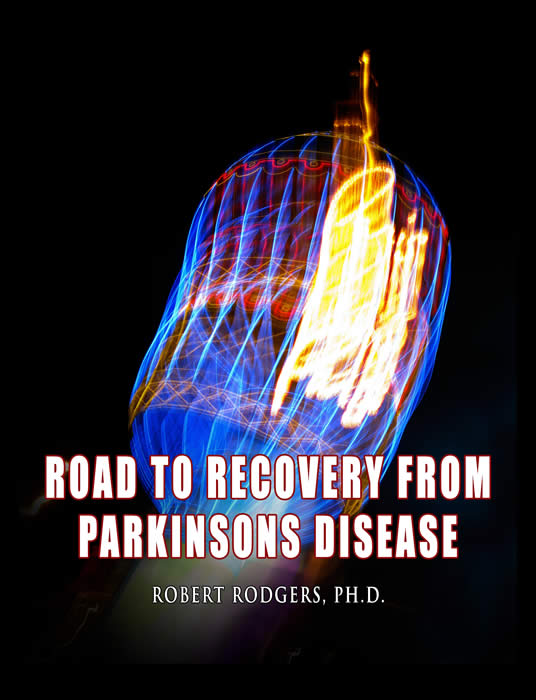
The cover of my best selling book Road to Recovery from Parkinsonsis a photograph taken by photographer Allen Babbitt. I loved the image that is featured on the cover. Tremors make his photos truly unique and a special treat for those who also happen to be diagnosed with Parkinson’s disease. For Allen, tremors were not a liability. They were an asset.
The best 10 minutes of your day today will be spent watching the following video about Allen, his Parkinsons, his photography and his recommendation for others traveling down the road to recovery. Visit the link below to watch.
In the video Allan demonstrates a trick he discovered that calms his tremors when he walks. He tosses a ball back and forth from one hand to the other and presto. Tremors are instantly quieted.
I just learned that Allan died a few months ago and wanted to pay tribute to an amazing individual and a gifted photographer who has been an inspiration to many including me!
Studies find that Astaxanthin for Parkinsons has potent anti-inflammatory effects. and is recommended by researchers as a treatment for Parkinsons. Abstracts of two studies (among over 100 studies) are included below.
As with any antioxidant, many outlets for Astaxanthin are available. Some are reputable. Many are not.
I recommend one source in particular which is available from Valasta (https://www.valasta.net). Their formulation was inspired by a fascinating question that molecular biologist Sam Sheppard asked: What animals do not get cancer? We all know dogs and cats get cancer. Which ones do not?
Sam’s research revealed five animals in particular never get cancer:
Elephants
Salmon
Pink Flamingos
Sharks
Naked Mole Rats
Now that is an interesting list of animals, eh? Sam then asked the critical question: What does this motley group of animals have in common? The Answer: They all had a robust supply of Astaxanthin.
This is basic research at its best. Clearly there are many anti-oxidant and anti-inflammatory options that have been determined useful as treatments for Parkinsons, but Astaxanthin for Parkinsons has significantly increased potency and is well worth including in your program of recovery.
For more information about Sam Sheppard and his journey down the road to recovery visit https://www.valasta.net
Antioxidants (Basel). 2025 Jun 12;14(6):715. Astaxanthin: A Compound in the Prevention of Chronic Diseases and as a Potential Adjuvant Treatment Agen
Abstract
Astaxanthin (AST) is a fat-soluble carotenoid antioxidant. AST exhibits multiple protective mechanisms, including its antioxidant, anti-inflammatory, immunomodulatory, anti-apoptotic, nervous system-protective, anti-tumor, and anti-fibrotic effects. These effects make it a promising compound for the prevention of chronic diseases.
AST can protect the nervous system against neurodegenerative diseases such as Alzheimer’s and Parkinson’s disease. It also protects the liver and helps reduce the risk of chronic kidney disease. Additionally, it improves cardiovascular health and has anti-diabetic properties.
This review aims to provide an updated overview covering the protective effects of AST against various chronic diseases, including its antioxidant, anti-inflammatory, and anti-apoptotic effects. We also discuss the strategies used for improving astaxanthin bioavailability and its potential as an adjuvant therapeutic agent.
******
Pharmacol Res. 2021 Apr:166:105479. Therapeutic uses of natural astaxanthin: An evidence-based review focused on human clinical trials
Abstract
Astaxanthin is a natural C40 carotenoid with numerous reported biological functions, most of them associated with its antioxidant and anti-inflammatory activity, standing out from other antioxidants as it has shown the highest oxygen radical absorbance capacity (ORAC), 100-500 times higher than ?-tocopherol and a 10 times higher free radical inhibitory activity than related antioxidants (?-tocopherol, ?-carotene, ? -carotene, lutein and lycopene).
In vitro and in vivo studies have associated astaxanthin’s unique molecular features with several health benefits, including neuroprotective, cardioprotective and antitumoral properties, suggesting its therapeutic potential for the prevention or co-treatment of dementia, Alzheimer, Parkinson, cardiovascular diseases and cancer.
Benefits on skin and eye health promotion have also been reported, highlighting its potential for the prevention of skin photo-aging and the treatment of eye diseases like glaucoma, cataracts and uveitis.
It is now well known that there are a multitude of factors that contribute to the symptoms of Parkinson’s disease. The important questions turns on what is the origin of Parkinson’s disease?
You have likely not heard my answer to this question. At the core resides the real issue at play: The natural life cycle that sustains life is inactive. Instead of flopping back and forth from being expansive and contractive, the state of expansion is s a permanent setting in our energetic “thermostat.” We are on the go constantly without stopping to smell the flowers or enjoy the sweat morsels of the natural world.
We do not function like the ocean waves and tides which shift in and out continuously. The waves flow in and out continuously. Tides gradually shift the waters closer to shore, then more distant from shores.
The root cause of symptoms rarely originates where logic would dictate. Do tremors and other Parkinson’s symptoms originate in the brain? Certainly most people and medical professionals hold this belief. That is why doctors prescribe medications that infuse the body with l-dopa. It is assumed cells in the mid brain are not producing enough dopamine.
Recent research demonstrates that tremors and other neurological challenges do not necessarily reside in the brain itself. Their origin is the digestive system.
Although this research is relatively recent, a causal inspection of meridians that are the pathways of energy keeping us alive clearly show many connections between the stomach, small intestine and gall bladder to the brain. Problems with the digestive system will clearly have a direct impact on brain function.
Step back and consider the life cycle of the digestive system. It expands when we eat. It contracts after food has been digested. Our digestive system does not function continuously.
Our personal life style needs to be in sync the natural course of expanding and contracting.
The root cause of Parkinson’s symptoms is that the life cycle needed to sustain health has been truncated. The expansion phase is permanently set with little flexibility. The need is to assert control over everything and everybody without allowing the ebb and flow of life to exist. When we cannot chill out and relax, the primary functions of the body wear out just as gears in a motor eventually grind down.
What is the bottom line? First, get serious about healing your digestive system. Second, get into the flow of life. Enjoy expansions. Welcome contractions.
An abstract of a study included in this post presents evidence that drinking YerbaMate tea protects against developing Parkinsons. Why might this result be found?
Yerba mate tea contains xanthines, such as caffeine and theobromine. These are adenosine receptor antagonists. The tea blocks these receptors which helps protect dopamine-producing neurons.
Yerba mate is rich in antioxidants which combat oxidative stress. This is known to be a factor associated with Parkinsons.
Theobromine and chlorogenic acid, two components found in yerbamate tea, have demonstrated neuro-protective properties in lab studies.
Any teas (and there are many) which are known to have anti-oxidant properties will be beneficial when it comes to averting the symptoms of Parkinsons. Note that this study examines the history of tea drinking over a long period of time and looks at whether there is a probability of developing Parkinsons at a later time.
While the study finds YerbaMate Tea Protects Against Developing Parkinsons, this does not suggest that persons who currently experience symptoms of Parkinsons will necessarily celebrate a reduction in symptoms if they regularly drink Yerbamate Tea. There is certainly no evidence that this would prove harmful and may well offer benefits on some level.
Clin Neuropharmacol. 2022 Jul-Aug;45(4):79-83. Yerbamate Tea Consumption: A Protective Factor in Parkinson Disease
Abstract
Introduction: Little is known about the association between Yerbamate (YMT) tea consumption and Parkinson disease (PD). We determined whether there was an association between YMT tea consumption and PD.
Methods: We conducted a multicenter case-control study in 3 countries (Argentina, Paraguay, and Uruguay). We applied a structured questionnaire about YMT tea consumption history. The survey also included information about factors previously associated with a decreased and increased risk of PD, apart from medical and demographic factors. Odds ratios and 95% confidence intervals were calculated using multivariate unconditional binary logistic regression analysis.
Results: We included 215 cases and 219 controls. The mean age of the cases was 65.6 ± 10.5 years and that of controls was 63.1 ± 10.5 years (P < 0.02). Years of YMT tea consumption, number of liters drunk per day, and amount of YMT used for preparing the infusion were similar between cases and controls (P > 0.05), but not the number of times the YMT was added into the container (P = 0.003) and the YMT tea concentration per serving (P = 0.02). The multivariate analysis showed that YMT tea concentration per serving lowered the risk for PD, independent of potential confounders (odds ratio, 0.62; 95% confidence interval, 0.47-0.84).
Conclusions: This multicenter study highlights the association between an environmental factor, the YMT tea drinking, and PD. Although more evidence from longitudinal studies is needed, the results obtained here points toward a protective effect of the YMT tea concentration per serving on PD.
There are well over 100 options that offer the opportunity to reverse symptoms of Parkinson’s disease using natural methods and therapies. Studies have revently proposed to treat Parkinsons wtih Cinnamon of all things. In fact, there are so many good ideas out there these days that making a choice of which ones to pursue can be daunting to say the least.
Of All Herbs – Cinnamon?
I have an idea for you to consider (among the many possibilities) that attracted my interest. Researchers found success using ground up Ceylon cinnamon in rat studies. I know. I know. It does sound a little silly that a spice like cinnamon might make a difference and humans as research subjects are a far cry from mice. I also know that it will take many years for research studies with humans to be run, if ever.
Why should cinnamon of all spices help reverse Parkinson’s symptoms in mice? Researchers at Rush University report that “It is known that some important proteins like Parkin and DJ-1 decrease in the brain of PD patients.” The Rush study researchers report that ground cinnamon metabolizes into a substance known as sodium benzoate, which helps stop the loss of Parkin and DJ-1 proteins, protect neurons, normalize neurotransmitter levels, and improve motor functions in mice with Parkinson’s symptoms. That is a pretty impressive list, even for mice, Eh?
Why not step aside from the details of the academic research and simply ask yourself – do you like cinnamon? Have you always liked cinnamon? If so, why not make it a point to add a little extra Ceylon cinnamon to spice up your food? Who knows. Maybe your body will thank you profusely.
Research on Cinnamon and Parkinsons
J Biochem Mol Toxicol. 2021 Apr;35(4):e22720. Neuroprotective potential of cinnamon and its metabolites in Parkinson’s disease: Mechanistic insights, limitations, and novel therapeutic opportunities
Abstract
Parkinson’s disease (PD) is the most common neurodegenerative movement disorder with obscure etiology and no disease-modifying therapy to date. Hence, novel, safe, and low cost-effective approaches employing medicinal plants are currently receiving increased attention.
A growing body of evidence has revealed that cinnamon, being widely used as a spice of unique flavor and aroma, may exert neuroprotective effects in several neurodegenerative diseases, including PD.
In vitro evidence has indicated that the essential oils of Cinnamomum species, mainly cinnamaldehyde and sodium benzoate may protect against oxidative stress-induced cell death, reactive oxygen species generation, and autophagy dysregulation, thus acting in a potentially neuroprotective manner.
******
Antioxidants (Basel). 2026 Feb 2;15(2):195. Preventive Effects of Cinnamon Leaf Nanosuspension and Byproducts on Type II Diabetes and Parkinson’s Disease in Rat Models
Abstract
Cinnamon leaves, an important source of cinnamaldehyde, have been shown to possess various pharmacological functions. A liposome-derived nanosuspension (CN), hydrosol (CH) and powder in water (CP) prepared from cinnamon leaves were explored for their preventive effects on type II diabetes (T2D) and Parkinson’s disease (PD) in rat models.
Fifteen compounds were determined by UPLC-MS/MS, with cinnamaldehyde being predominant. CN with a mean particle size at 22.6 nm was prepared by mixing extract, lecithin, Tween 80, soybean oil and water with an optimal ratio, while hydrosol was prepared by steam distillation.
A high storage and gastrointestinal stability were observed for CN. Rats were pre-fed with CN, CH and CP separately for 4 weeks, followed by induction with T2D or PD, with all three groups showing better preventive effects on T2D given the number of injections for T2D induction. Additionally, the OGTT, HOMA-IR, TXB2 and aPTT levels were significantly higher in the induction group than in the CN, CH and CP groups, revealing an effective prevention of T2D and cardiovascular disease.
For PD prevention, CN was the most effective in improving muscle stiffness based on the catalepsy test and elevation of dopamine, tyrosine hydroxylase, serotonin, mitochondrial DNA and antioxidant enzymes, accompanied by a decline in alpha synuclein and malondialdehyde.
I have known for several years now that there is a strong connection between diabetes and Parkinsons. I suspect however you are thinking this is not my problem. This is the response I hear from most people.
My agenda with this class is first to convince you there is a strong and compelling association of neurological symptoms and diabetes and second to offer some ways to address the problem.
Below I list the symptoms associated with Type 2 Diabetes. All of them have been reported to me by persons diagnosed with Parkinsons, Alzheimers or dementia since 2004.
Symptoms of Type 2 Diabetes
Do you experience any of the symptoms listed below associated with Type 2 diabetes?
Frequent urge to pee. High blood sugar levels cause excessive urination
Excessive thirst
Unexplained weight loss (the body uses glucose for energy rather than fat)
Fatigue due to high blood sugar levels
Wounds that are slow to heal. High blood sugar levels impair the body’s immune system
Chronic Infections
Numbness or tingling in hands and feet due to high blood sugar levels
Frequent yeast infections (candida)
Fatty liver disease
Regulation of Blood Sugar Levels
Insulin is a hormone produced by the pancreas that plays a crucial role in regulating blood sugar levels.
Functions of Insulin:
Facilitates glucose uptake: Insulin binds to receptors on cells, allowing glucose (sugar) from the bloodstream to enter the cells and used for energy.
Lowers blood sugar levels: By promoting glucose uptake, insulin helps reduce blood sugar levels after meals.
With Type 2 Diabetes, insulin resistance compromises the ability of the body to convert sugar into glucose.
In the website listed below. Dr. Ben Bikman argues insulin intolerance is involved with all chronic illnesses including Parkinsons and Alzheimers.
The following article discusses using GLP-1 receptor agonists as a potential treatment for Parkinsons. These are medications used to treat type 2 diabetes and, increasingly, for weight management in individuals with obesity. They mimic the action of the naturally occurring hormone GLP-1, which helps regulate blood sugar levels.
Unresolved Emotions Associated with Diabetes and Neurological Challenges:
A great need to control.
Hopelessness and helplessness
Deep sorrow.
No sweetness left in life.
There are always unresolved emotions associated with chronic diseases which have to be acknowledged and cleared before resolution is possible. The key questions to ask yourself that beg to be answered are:
Why am I experiencing troublesome neurological symptoms? What is the life lesson I must learn from this suffering before recovery becomes a reality? What do I not want to remember?
Meditate on answers to these questions by acknowledging unresolved feelings that are calling out to be released now and forever more.
Diabetes and Parkinsons Recommendations
My research over the past 20 years reveals a majority of persons with Parkinsons symptoms or dementia have a pre-diabetic condition which is unacknowledged. If diabetes happens to be a challenge for you, what can you do about it?
First, because this is an emerging stream of research, most clinicians will be unaware of the research as they are not researchers. You may get a referral to a endocrinologist from your neurologist, but the chances of such a referral are slim.
Second, there is actually little evidence that prescription medications for diabetes will help address the problem and offer in turn relief from Parkinson symptoms, though that of course is a possibility.
Third, I recommend a dietary solution which admittedly is difficult for most people to do. My question for you to ponder is: Do you want to get well? If so, you will have to make huge adjustments to your diet.
Eat no processed or packaged foods – all of which contain sugars of one description or another.
No juices which are high in sugars.
Eat only non-starchy vegetables like leafy greens, broccoli, and peppers by steaming them or juicing them.
Eat fish and meat. With meat, eat only the equivalent size of a deck of cards. You need protein, but large amounts convert to sugars.
Eat small amounts more frequently.
Fourth, there is a supplement I take on a regular basis to address my own pre-diabetic condition which works really well: Glucose Tolerance II with Glucevia from Allergy Research Group.
Below I post a selected body of studies published in 2025 that identifies the role of Type 2 diabetes in creating and sustaining neurological symptoms. The evidence is compelling. Study abstracts listed below represent a small portion of the research on diabetes and neurological conditions published in 2025.
Critical point: Reduce dependence on glucose to fuel your brain and celebrate neurological symptom relief.
Abstracts of Studies that Report on the Relationship between Diabetes and Parkinsons
Int J Mol Sci . 2025 Jan 10;26(2):542.Associations Between Diabetes Mellitus and Neurodegenerative Diseases
Abstract
Diabetes mellitus (DM) and neurodegenerative diseases/disturbances are worldwide health problems. The most common chronic conditions diagnosed in persons 60 years and older are type 2 diabetes mellitus (T2DM) and cognitive impairment.
It was found that diabetes mellitus is a major risk for cognitive decline, dementia, Parkinson’s disease (PD), Alzheimer’s disease (AD), Huntington’s disease (HD), amyotrophic lateral sclerosis (ALS) and other neurodegenerative disorders.
An impaired intracellular insulin signaling pathway, together with hyperglycemia and hyperinsulinemia, may cause pathological changes, such as dysfunction of the mitochondria and oxidative stress inflammatory responses.
******
J Parkinsons Dis. 2020;10(3):775-789. The Association Between Type 2 Diabetes Mellitus and Parkinson’s Disease
Abstract
In recent years, an emerging body of evidence has forged links between Parkinson’s disease (PD) and type 2 diabetes mellitus (T2DM). In observational studies, those with T2DM appear to be at increased risk of developing PD, as well as experiencing faster progression and a more severe phenotype of PD, with the effects being potentially mediated by several common cellular pathways.
The insulin signalling pathway, for example, may be responsible for neurodegeneration via insulin dysregulation, aggregation of amyloids, neuroinflammation, mitochondrial dysfunction and altered synaptic plasticity.
******
Brain. 2025 Apr 3;148(4):1389-1404. Machine learning reveals connections between preclinical type 2 diabetes subtypes and brain health
Abstract
Previous research has established type 2 diabetes mellitus as a significant risk factor for various disorders, adversely impacting human health. While evidence increasingly links type 2 diabetes to cognitive impairment and brain disorders, understanding the causal effects of its preclinical stage on brain health is yet to be fully known.
We employed a robust machine learning algorithm with cross-sectional clinical data to identify underlying subtypes and stages for preclinical type 2 diabetes. Our analysis revealed one subtype distinguished by elevated circulating leptin levels and decreased leptin receptor levels, coupled with increased body mass index, diminished lipid metabolism, and heightened susceptibility to psychiatric conditions such as anxiety disorder, depression disorder, and bipolar disorder.
Individuals in the second subtype manifested typical abnormalities in glucose metabolism, including rising glucose and haemoglobin levels, with observed correlations with neurodegenerative disorders. A 10 year follow-up of these individuals revealed differential declines in brain health and significant clinical outcome disparities between subtypes. The first subtype exhibited faster progression and higher risk for psychiatric conditions, while the second subtype was associated with more severe progression of Alzheimer’s disease and Parkinson’s disease and faster progression to type 2 diabetes.Our findings highlight that monitoring and addressing the brain health needs of individuals in the preclinical stage of type 2 diabetes is imperative.
******
J Ethnopharmacol. 2025 Feb 10;338(Pt 3):119095. Exploring the therapeutic potential of Chinese herbs on comorbid type 2 diabetes mellitus and Parkinson’s disease: A mechanistic study
Abstract
Type 2 diabetes mellitus (T2DM) and Parkinson’s disease (PD) are chronic conditions that affect the aging population, with increasing prevalence globally. The rising prevalence of comorbidity between these conditions, driven by demographic shifts, severely impacts the quality of life of patients, posing a significant burden on healthcare resources.
Chinese herbal medicine has been used to treat T2DM and PD for millennia. Pharmacological studies have demonstrated that medicinal herbs effectively lower blood glucose levels and exert neuro-protective effects, suggesting their potential as adjunctive therapy for concurrent management of T2DM and PD.
Aim of the study: To elucidate the shared mechanisms underlying T2DM and PD, particularly focusing on the potential mechanisms by which medicinal herbs (including herbal formulas, single herbs, and active compounds) may treat these diseases, to provide valuable insights for developing therapeutics targeting comorbid T2DM and PD.
Materials and methods: Studies exploring the mechanisms underlying T2DM and PD, as well as the treatment of these conditions with medicinal herbs, were extracted from several electronic databases
Results: Numerous studies have shown that inflammation, oxidative stress, insulin resistance, impaired autophagy, gut microbiota dysbiosis, and ferroptosis are shared mechanisms underlying T2DM and PD. Thirty-four medicinal herbs, including 2 herbal formulas, 4 single herbs, and 28 active compounds, have been reported to potentially exert anti-T2DM and anti-PD effects by targeting these shared mechanisms.
Conclusions: Traditional Chinese medicine effectively combats T2DM and PD through shared pathological mechanisms, highlighting their potential for application in treating these comorbidity conditions.
******
Int J Mol Sci. 2025 Feb 11;26(4):1516. Targeting Ferroptosis in Parkinson’s: Repurposing Diabetes Drugs as a Promising Treatment
Abstract
This review explores the promising potential of repurposing type 2 diabetes (T2D) medications for the treatment of Parkinson’s disease (PD), highlighting the shared pathophysiological mechanisms between these two age-related conditions, such as oxidative stress, mitochondrial dysfunction, and ferroptosis. The overlap suggests that existing diabetes drugs could target the common pathways involved in both conditions.
The connection between ferroptosis and existing treatments, including diabetes medication, are only beginning to be explored. The limited data can be attributed also to the complexity of mechanisms involved in ferroptosis and Parkinson’s disease and to the fact that the specific role of ferroptosis in Parkinson’s disease pathogenesis has not been a primary focus until recent. Despite the promising preclinical evidence, clinical findings are mixed, underscoring the need for further research to elucidate these drugs’ roles in neurodegeneration.
Repurposing existing diabetes medications that have well-established safety profiles for Parkinson’s disease treatment could significantly reduce the time and cost associated with drug development and could offer a more comprehensive approach to managing Parkinson’s disease compared to treatments targeting a single mechanism.
******
Mov Disord. 2025 Jan;40(1):67-76. Insulin Resistance Is a Modifying Factor for Parkinson’s Disease
Abstract
Background: Parkinson’s disease (PD) is the second most common, and the fastest-growing neurodegenerative disorder with unclear etiology in most cases. An increasing number of evidence suggests that central insulin resistance might have an essential role in PD pathology. Nevertheless, it is not clear whether insulin resistance arises from external factors/lifestyle, comorbidities such as type 2 diabetes or it can occur in a PD patient’s brain independently from peripheral insulin resistance.
Objective: We aimed to investigate insulin resistance and its role in GBA1 mutation-associated PD pathogenesis and phenotype severity.
Methods: Midbrain organoids, generated from induced pluripotent stem cells Of PD patients carrying the GBA1-N370S heterozygous mutation (GBA-PD) and healthy donors, were exposed to different insulin concentrations to modify insulin signaling function. Transcriptomics analysis was performed to explore insulin signaling gene expression patterns in GBA-PD and to find a potential target for GBA-PD-associated phenotype rescue.
Results: The insulin signaling pathway genes show dysregulation in GBA-PD. Particularly, we highlight that a knockdown of FOXO1 mitigates the loss of dopaminergic neurons and cellular death in GBA-PD. Additionally, our findings suggest a promising therapeutic potential of the anti-diabetic drug Pioglitazone in decreasing dopaminergic neuron loss associated with GBA-PD.
Conclusion: Local insulin signaling dysfunction plays a substantial role in GBA-PD pathogenesis, exacerbating dopaminergic neuron death.
******
Arq Neuropsiquiatr. 2025 Mar;83(3):1-10 Modifiable risk factors associated with the risk of developing Parkinson’s disease: a critical review
Abstract
The etiology of Parkinson’s disease (PD) is complex and multifactorial, depending on interactions involving environmental/lifestyle and genetic factors. The genetic aspects of the disease are becoming well characterized, while the environmental factors still need further investigation.
In the present narrative review, we have described the most concrete evidence of associations between environmental factors and the risk of developing PD.
Physical activity, healthy dietary patterns, smoking, and caffeine intake are protective factors against PD.
Head trauma, consumption of milk and dairy products, and pesticide exposure were associated with a higher risk of developing PD.
Several studies strongly suggest that diabetes mellitus is a risk factor for the development of PD, as well as the pre-diabetic state. Lower serum levels of uric acid were associated with an increased risk of developing PD and with worse clinical features and faster progression of symptoms.
Several other factors were potentially associated with the risk of developing PD: environmental pollutants such as organic solvents, exposure to sunlight, vitamin D deficiency, bullous pemphigoid, bipolar disorder, inflammatory bowel disease, irritable bowel syndrome, certain infections and agents, and essential tremor. Environmental factors are important risk markers for the development of PD.
******
Neural Regen Res. 2025 Nov 1;20(11):3113-3123. Understanding the link between type 2 diabetes mellitus and Parkinson’s disease: role of brain insulin resistance
Abstract
Type 2 diabetes mellitus and Parkinson’s disease are chronic diseases linked to a growing pandemic that affects older adults and causes significant socio-economic burden. Epidemiological data supporting a close relationship between these two aging-related diseases have resulted in the investigation of shared pathophysiological molecular mechanisms.
Impaired insulin signaling in the brain has gained increasing attention during the last decade and has been suggested to contribute to the development of Parkinson’s disease through the dysregulation of several pathological processes. The contribution of type 2 diabetes mellitus and insulin resistance in neurodegeneration in Parkinson’s disease, with emphasis on brain insulin resistance, is extensively discussed in this article.
******
Pharmaceuticals (Basel). 2025 Mar 28;18(4):486. Overview of Metformin and Neurodegeneration: A Comprehensive Review
Abstract
This comprehensive review examines the therapeutic potential of metformin, a well-established diabetes medication, in treating neurodegenerative disorders. Originally used as a first-line treatment for type 2 diabetes, recent studies have begun investigating metformin’s effects beyond metabolic disorders, particularly its neuroprotective capabilities against conditions like Parkinson’s disease, Alzheimer’s disease, Huntington’s disease, and multiple sclerosis.
Key findings demonstrate that metformin’s neuroprotective effects operate through multiple pathways: AMPK activation enhancing cellular energy metabolism and autophagy; upregulation of antioxidant defenses; suppression of inflammation; inhibition of protein aggregation; and improvement of mitochondrial function. These mechanisms collectively address common pathological features in neurodegeneration and neuroinflammation, including oxidative stress, protein accumulation, and mitochondrial dysfunction.
Clinical and preclinical evidence supporting metformin’s association with improved cognitive performance, reduced risk of dementia, and modulation of pathological hallmarks of neurodegenerative diseases is critically evaluated.
The future of medicine rests with innovative therapies that utilize light and sound to bring the body back into balance and harmony. Photobiomodulation (or light therapy) is one such delivery system. This turns out to be the Parkinsons breakthrough of 2025.
I first learned about photobiomodulation in 2018 from my interview with the CEO of Vielight, Dr. Lew Lim. At that time, there was only one photobiomodulation study of five Alzheimers subjects that reported positive outcomes. There was no research evidence at the time for Parkinsons subjects so the jury was out at that time.
Still, I encouraged members of my audience to begin using the Neuro Gamma Vielight device which was recommended by Dr. Lim as the best device to address Parkinsons symptoms. He offered at that time the opportunity to use this Vielight device for six months. If users did not celebrate positive outcomes, they were invited to return the device to claim an 80% refund.
Many hundreds from the Parkinsons Recovery audience began using the Vielight Neuro Gamma photobiomodulation device. Users reported a variety of benefits. Nine out of ten users kept their units. One out of ten returned them. In short, home use turns out to benefit most users.
About Photobiomodulation
Different from electrical and magnetic stimulation, photobiomodulation uses light energy (or photons) of specific wave lengths and power densities to simulate cellular function. Photobiomodulation energizes the mitochondria of neurons. This triggers a cascade of beneficial cellular functions including …
Neuro-protective effects.
Self-repair mechanisms.
Enhanced functionality.
Photobiomodulation (known also as PBM) has multiple clinical benefits due to an enhancement of the mitochondrial electron transport chain and subsequent increase in ATP output. It modulates cellular signaling and it reduces inflammation.
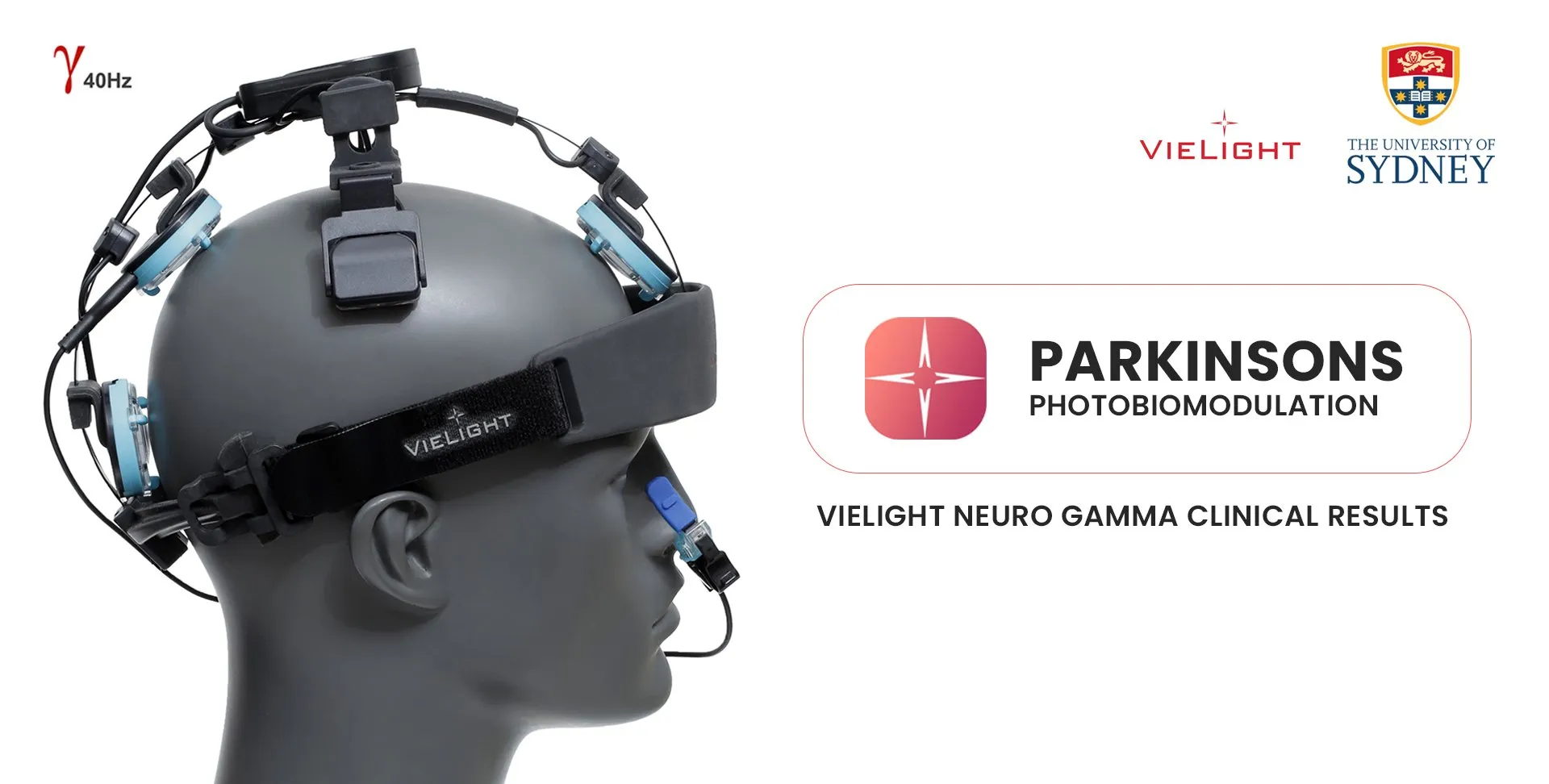
The photobiomodulation Vielight devices use an Intranasal delivery of the light therapy which is the most efficient method for delivering light energy to the brain and body.
Photobiomodulation Parkinsons Breakthrough Research
An independent Parkinsons study by Ann Liebert and her colleagues from the University of Sydney found the Vielight Neuro Gamma produced statistically significant clinical results.
Twelve participants diagnosed with idiopathic Parkinson’s disease were enlisted for the study. Documented reductions in symptoms far exceeded expectations of the researchers. Measures of mobility, cognition, dynamic balance and fine motor skill for the 12 Parkinson’s research subjects were significantly improved (p < 0.05) with 12 weeks of home photobiomodulation treatments.
Individual improvements varied but many continued for up to one year with continued home treatment.
The design of this study was eloquent. Participants were assessed for mobility, fine motor skills, balance and cognition before treatment began, after 4 weeks of treatment, after 12 weeks of treatment and the end of the home treatment period.
Researchers drew the following conclusions:
“PBM (photobiomodulation) was shown to be a safe and potentially effective treatment for a range of clinical signs and symptoms of PD. Improvements were maintained for as long as treatment continued, for up to one year in a neurodegenerative disease where decline is typically expected.”
A five year follow-up study that tracked 6 of the 12 subjects found improvements were sustained with continued use.
This study provides evidence that photobiomodulation therapy reduces motor signs and non-motor symptoms in Parkinson’s disease patients. The best news was that improvements were sustained over several years.
Dramatic Explosion in Photobiomodulation Research
Since 2018 hundreds of researchers have published studies evaluating photobiomodulation therapy for a wide variety of brain disorders. A search on pubmed.gov lists over 11,000 studies have focused on photobiomodulation as a treatment modality. Over one hundred (100) studies focus specifically on photobiomodulation for Parkinsons. All of the studies conclude it is a viable therapy that offers symptom relief.
Vielight Devices Discount and Warranty
Vielight is the gold standard company that invents photobiomodulation devices. They offer a 10% discount off orders on any of their devices. Enter the coupon code healing4meon the shopping cart when ordering. The website: www.vielight.com
Do not hesitate to call the company. They always provide five star service and are happy to answer all of your questions. 1-877-355-8012 (Main line). The company is located in Toronto Canada.
Vielight is so confident in its devices that you are invited to use any of their devices for up to six (6) months. If for any reason you are not satisfied, you can return the device for an 80% refund – no questions asked. I have never heard of a company that is so confident in their product that such a generous warranty is honored. They obviously have high confidence that people who use their devices will find them to be beneficial and well worth the cost.
After interviewing hundreds of individuals diagnosed with Parkinsons who succeeded in reversing symptoms of Parkinsons, I have a rich understanding of what a successful recovery entails.
Is it possible for symptoms of Parkinsons to resolve quickly?
I so wish I could say yes, but the honest answer is no.
Is there a recovery program that works for everyone?
Unfortunately no. Everyone who has succeeded followed a different path.
Everyone of course wants to suppress symptoms which is why medications have been so popular. For some, they succeed in offering temporary relief. For others they flop. The best outcome for everyone is for symptoms to fade into the sunset forever.
What have people done to make recovery happen?
They acknowledge there are no quick fixes.
They accept that the journey down the road to recovery will be rocky. Some days will be awesome.
They launch a journey of discovery to heal from the inside out which will take time and patience.
They honor the fact that what has helped others may well not help them, but there are therapies that can succeed for them.
They experiment. They keep what helps and discard what does not.
I invite you to take a six month journey down the road to recovery. The course reveals everything I have learned over the past 20 years about recovery from those who have succeeded in reversing some of not all symptoms of Parkinsons.
You get guidance on how to figure out the cause of your symptoms and natural therapies to resolve it.
You get natural therapies for specific symptoms.
You get a roadmap of how to recover from the inside out.
You get the scoop on all of the cutting edge therapies over the past several years.
You get six months of daily recordings (and the accompanying text) for each day’s topic



 The photobiomodulation Vielight devices use an Intranasal delivery of the light therapy which is the most efficient method for delivering light energy to the brain and body.