| The new year is the perfect time to jump start your recovery by assessing the underlying causes of neurological challenges you currently confront. In this spirit, I extend a warm invitation for you to enroll in my Jump Start to Recovery course that launches January 2026 and continues through February and March. |
| I will cover all of the cutting edge research discoveries that identify natural therapies proven to reverse Parkinson’s symptoms. The purpose of my 2026 Jump Start to Recovery course is twofold. 1. Help you determine the underlying cause of your symptoms. 2. Identify therapies that address the cause to bring your body back into balance and harmony. Visit the link below for more information and to register. Enroll today to take advantage of the early bird 50% holiday tuition. https://www.parkinsonsrecovery.com/jump-start-to-recovery Robert Rodgers, Ph.D. robert@parkinsonsrecovery.com Olympia, Washington 360-789-1658 Parkinsons Recovery® https://www.parkinsonsrecovery.com |
Author: manabunnow4zph (Page 4 of 40)
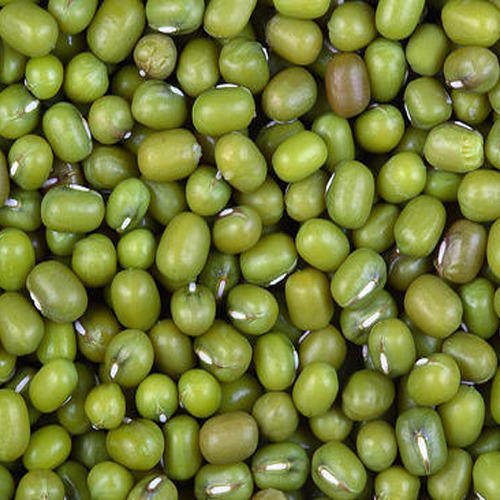
Below find directions for preparing Broccoli Seed Tea which contains the bioactive compound sulforaphane. This process involves a crucial two-step reaction using both broccoli seeds and ground white mustard seeds as a myrosinase enzyme source.
Broccoli Seed Tea Recipe
Ingredients:
- Dry, high-quality broccoli seeds: 1 tablespoon (or about 15g to 35g, depending on the desired strength)
- Ground white mustard seeds (sinapis alba): 1/8 to 1 teaspoon
- Water: Approximately 1 cup (or 100-200ml)
Equipment:
- A pot or microwave-safe container
- A thermometer to monitor temperature
- A means to strain the seeds (optional)
- A blender (optional, if incorporating into a smoothie)
Instructions:
- Heat the water: Bring water to a specific temperature. Research protocols suggest heating the water to approximately 60°C (140°F) to inactivate an enzyme (ESP) that reduces sulforaphane yield in broccoli, while preserving the added myrosinase later. Do not boil, as high heat destroys the necessary myrosinase enzyme.
- Combine seeds and water: Add the desired amount of dry broccoli seeds to the temperature-controlled water.
- Allow extraction: Let the mixture sit for about 10 minutes. This step helps extract the precursor compound, glucoraphanin, from the seeds.
- Add myrosinase source: Stir in the ground white mustard powder. This provides the active myrosinase enzyme needed to convert the glucoraphanin into sulforaphane.
- Activate sulforaphane: Let the mixture sit for an additional 10 minutes to allow the conversion reaction to occur.
- Consume: The mixture can be consumed as is, or strained for a clearer “tea” (though some fiber is lost). Many people blend the preparation into a smoothie with other ingredients like fruit, nuts, or protein powder to improve taste and texture.
Early evidence suggests that this tea was most helpful for addressing non-motor symptoms including fatigue, sleep quality, and lack of motivation. Urinary incontinence and nocturnal urinary frequency showed significant improvement as well.
These symptoms are closely linked to energy production. This suggests that the primary effect of sulforaphane is to enhance energy production in neurons by reducing damage to mitochondria. Oxidative stress is likely to be the predominant mechanism in the development of the process that gives rise to these non-motor symptoms.
Research on Sulforaphane as a Treatment for Neurological Conditions
Nutrients. 2025 Apr 15;17(8):1353. Sulforaphane and Brain Health: From Pathways of Action to Effects on Specific Disorders
Abstract
The brain accounts for about 2% of the body’s weight, but it consumes about 20% of the body’s energy at rest, primarily derived from ATP produced in mitochondria. The brain thus has a high mitochondrial density in its neurons because of its extensive energy demands for maintaining ion gradients, neurotransmission, and synaptic activity. The brain is also extremely susceptible to damage and dysregulation caused by inflammation (neuroinflammation) and oxidative stress.
Many systemic challenges to the brain can be mitigated by the phytochemical sulforaphane (SF), which is particularly important in supporting mitochondrial function. SF or its biogenic precursor glucoraphanin, from broccoli seeds or sprouts, can confer neuroprotective and cognitive benefits via diverse physiological and biochemical mechanisms. SF is able to cross the blood-brain barrier as well as to protect it, and it mitigates the consequences of destructive neuroinflammation.
It also protects against the neurotoxic effects of environmental pollutants, combats the tissue and cell damage wrought by advanced glycation end products (detoxication), and supports healthy glucose metabolism. These effects are applicable to individuals of all ages, from the developing brains in periconception and infancy, to cognitively, developmentally, and traumatically challenged brains, to those in later life as well as those who are suffering with multiple chronic conditions including Parkinson’s and Alzheimer’s diseases.
********
Biochem Pharmacol. 2025 Mar:233:116797. Sulforaphane: An emerging star in neuroprotection and neurological disease prevention
Abstract
Neurological diseases, including both acute injuries and chronic neurodegenerative disorders, represent major contributors to morbidity and mortality worldwide. Chronic neurodegenerative diseases, such as Alzheimer’s disease (AD) and Parkinson’s disease (PD), which require long-term management, present significant challenges in the search for neuroprotective agents with reduced adverse effects and enhanced therapeutic efficacy.
Sulforaphane (SFN), a bioactive compound found in cruciferous vegetables like broccoli and cauliflower, has garnered considerable attention for its potent neuroprotective properties and overall health benefits. Marketed primarily as a dietary supplement, SFN has shown a variety of biological activities and therapeutic potential in neurological diseases.
Recent surging studies including ours have highlighted its ability to impede the progression of AD, PD, and cerebral ischemia by fostering neurogenesis and inhibiting apoptosis, oxidative stress, and neuroinflammation. This review aims to summarize the latest research on SFN, exploring its advanced therapeutic potential and underlying mechanisms in various neurological diseases, offering a comprehensive overview for researchers focused on neurological pathogenesis and drug development in neuroprotection.
Int J Mol Sci. 2020 Nov 16;21(22):8637. Efficacy of Sulforaphane in Neurodegenerative Disease
Abstract
Sulforaphane (SFN) is a phytocompound belonging to the isothiocyanate family. Although it was also found in seeds and mature plants, SFN is mainly present in sprouts of many cruciferous vegetables, including cabbage, broccoli, cauliflower, and Brussels sprouts. SFN is produced by the conversion of glucoraphanin through the enzyme myrosinase, which leads to the formation of this isothiocyanate.
SFN is especially characterized by antioxidant, anti-inflammatory, and anti-apoptotic properties, and for this reason, it aroused the interest of researchers.
The aim of this review is to summarize the experimental studies present on Pubmed that report the efficacy of SFN in the treatment of neurodegenerative disease, including Alzheimer’s disease (AD), Parkinson’s disease (PD), and multiple sclerosis (MS). Therefore, thanks to its beneficial effects, SFN could be useful as a supplement to counteracting neurodegenerative diseases.
Robert Rodgers PhD
Founder Parkinsons Recovery ®
https://www.parkinsonsrecovery.com
Studies soundly conclude that hydrogen therapy has a bounty of benefits for persons confronting neurological challenges. Delivery of hydrogen by breathing it turns out to be a more effective delivery system than drinking water infused with hydrogen. Units are also less expensive.
Benefits of Hydrogen Therapy
The benefits of infusing your lungs with hydrogen therapy are extensive.
- Enhanced energy
- Reduced inflammation
- Improved circulation
- Better brain function
- Faster healing
- Reduction in anxiety
Admittedly this is a long list of benefits. What does hydrogen therapy do for you? It makes your mitochondria more efficient. This in turn increases the production of ATP, the energy “food” for the body.
A companion benefit is restoration of healthy bacteria in the gut. Healthy gut improves digestion and reduces constipation.
In short, daily infusions of hydrogen offer a variety of benefits that can lead to a reduction in neurological symptoms.
Potential Issues with Hydrogen Therapy
If you are taking blood thinners, be sure to let your doctor know you are getting hydrogen therapy. It thins the blood and means you will need to take lower doses of the blood thinning medication prescribed by your doctor.
If you have a serious and chronic infection, best to put aside hydrogen therapy until the infection is cleared. The bacteria contain mitochondria as do all cells. Hydrogen therapy could potentially inflame the infection.
About Hydrogen Therapy
Here is the big picture. A company headed by an engineer has invented a machine that delivers hydrogen that you breath, not drink with hydrogen enriched water. www.h2biohacker.com. They report that breathing hydrogen for 3 hours a day for persons with Parkinson’s symptoms can offer welcome benefits.
The cost of their units are over 2,000 USD. I recommend you request a free consultation with Ben Tammetta, the CEO, to discuss this option further. Ask if he will grant you a discount. A 10% discount code that may still work is drtalks.
Abstracts on Hydrogen Therapy for Parkinsons
Biomater Sci. 2025 Feb 11;13(4):896-912. Application trends of hydrogen-generating nanomaterials for the treatment of ROS-related diseases
Abstract
Reactive oxygen species (ROS) play essential roles in both physiological and pathological processes. Under physiological conditions, appropriate amounts of ROS play an important role in signaling and regulation in cells. However, too much ROS can lead to many health problems, including inflammation, cancer, delayed wound healing, neurodegenerative diseases (such as Parkinson’s disease and Alzheimer’s disease), and autoimmune diseases, and oxidative stress from excess ROS is also one of the most critical factors in the pathogenesis of cardiovascular and metabolic diseases such as atherosclerosis.
Hydrogen gas effectively removes ROS from the body due to its good antioxidant properties, and hydrogen therapy has become a promising gas therapy strategy due to its inherent safety and stability. The combination of nanomaterials can achieve targeted delivery and effective accumulation of hydrogen, and has some ameliorating effects on diseases.
******
Mol Neurobiol. 2023 Apr;60(4):1749-1765. Molecular Hydrogen: an Emerging Therapeutic Medical Gas for Brain Disorders
Abstract
Oxidative stress and neuroinflammation are the main physiopathological changes involved in the initiation and progression of various neurodegenerative disorders or brain injuries. Since the landmark finding reported in 2007 found that hydrogen reduced the levels of peroxynitrite anions and hydroxyl free radicals in ischemic stroke, molecular hydrogen’s antioxidative and anti-inflammatory effects have aroused widespread interest.
Due to its excellent antioxidant and anti-inflammatory properties, hydrogen therapy via different routes of administration exhibits great therapeutic potential for a wide range of brain disorders, including Alzheimer’s disease, neonatal hypoxic-ischemic encephalopathy, depression, anxiety, traumatic brain injury, ischemic stroke, Parkinson’s disease, and multiple sclerosis.
This paper reviews the routes for hydrogen administration, the effects of hydrogen on the previously mentioned brain disorders, and the primary mechanism underlying hydrogen’s neuroprotection.
******
Mol Neurobiol. 2023 Apr;60(4):1749-1765. Molecular Hydrogen: an Emerging Therapeutic Medical Gas for Brain Disorders
Abstract
Oxidative stress and neuroinflammation are the main physiopathological changes involved in the initiation and progression of various neurodegenerative disorders or brain injuries. Since the landmark finding reported in 2007 found that hydrogen reduced the levels of peroxynitrite anions and hydroxyl free radicals in ischemic stroke, molecular hydrogen’s antioxidative and anti-inflammatory effects have aroused widespread interest.
Due to its excellent antioxidant and anti-inflammatory properties, hydrogen therapy via different routes of administration exhibits great therapeutic potential for a wide range of brain disorders, including Alzheimer’s disease, neonatal hypoxic-ischemic encephalopathy, depression, anxiety, traumatic brain injury, ischemic stroke, Parkinson’s disease, and multiple sclerosis.
This paper reviews the routes for hydrogen administration, the effects of hydrogen on the previously mentioned brain disorders, and the primary mechanism underlying hydrogen’s neuroprotection.
Robert Rodgers PhD
Founder 2004
Parkinsons Recovery
https://www.parkinsonsrecovery.com
Founder 2005
Alzheimers Recovery
https://www.alzheimersrecovery.com
Symptoms of Parkinsons disease are troubling for everyone. The question I am asked more frequently is whether there ever will be a holy grail for Parkinsons Disease. Will a treatment ever be found that fixes everything?
Most people do not like my answer to this question. It would be so wonderful if a treatment could be found that would in fact fix everything. You have likely encountered websites and health care providers that promise to fix all of your problems.
The reason I know the answer to my question is no – there will never be a holy grail – is based on two reasons. I do not even like my answer, but here are the two reasons why.
First, there are a multitude of factors that cause the symptoms. Once a cause is identified (and there are usually many) it is then possible to identify treatment and therapies that can address it. But there will never be a treatment that fixes all of the causes. There are so many.
Say one of the primary causes for a person is toxins. There are many effective detox therapies that can address this particular cause. Detox protocols are not designed to address the challenge of persistent anxiety attacks or depression or trauma.
Second, I conduct a survey every holiday season which asks members of my audience whether they have been feeling better, the same or worse since the previous holiday season (a year ago). Results of my surveys over the years have been consistent. A third of respondents or more report feeling better.
I then ask respondents what therapies, treatments or steps have been helpful to them in feeling better. Does anyone report they found the holy grail that reversed all of their symptoms? No one reports this answer.
Persons who report feeling better report on average 6 different therapies or way that have embraced that are making the difference. These include a wide range of over 120 different natural options that have been proven to help people recover. It is the combination of methods that works the magic.
Summary
If you are frantic to find a holy grail for Parkinsons today, might I suggest you explore the potential causes of your symptoms first? That answer will guide your search for options that will make a difference to your recovery. Once the first cause is resolved, you are then invited to address a second or third cause.
The goal of course is the step back and realize you are getting better, little by little, day by day. The Road to Recovery is a process full of stops and starts. It is a journey that for whatever reason you have been invited to engage.
Robert Rodgers PhD
Founder 2004
Parkinsons Recovery ®
Road to Recovery from Parkinsons Disease
https://www.parkinsonsdisease.me

Has one of the treasured pleasures of life been lost. No longer able to smell a rose? Guess what? Olfactory training has been proven to reactivate the ability to smell.
What is Olfactory Training?
Olfactory training involved smelling distinct aromas such as rose, clove and eucalyptus several times a day for 10- 15 seconds per scent. It is recommended to take breaks between smelling the strong scents. As demonstrated in the review study below, olfactory training stimulates nerves in the nose to improve the brain’s ability to interpret and differentiate the varies aromas included in the training.
J Clin Med. 2025 Sep 18;14(18):6578. Olfactory Training for Post-COVID-19 Olfactory Dysfunction: A Meta-Analysis of Efficacy and Combination Therapies
Abstract
Background/Objectives: This systematic review and meta-analysis evaluated the effectiveness of olfactory training (OT) using standardized protocols in patients with post-COVID-19 olfactory dysfunction. The objective was to assess whether OT, compared to no treatment, placebo, or alternative therapies, improved olfactory function as measured using validated smell tests, including UPSIT, Sniffin’ Sticks (TDI score), CCCRC, and B-SIT.
Methods: A systematic search of PubMed, Web of Science, and Ovid Medline was conducted through February 2025 in accordance with PRISMA guidelines. Eight randomized controlled trials (RCTs) met the inclusion criteria. Data were extracted on study characteristics (author, year, country, design, sample size), population details (age, sex, post-COVID-19 cause), intervention type (training method, frequency, duration), comparators, outcome measures (baseline and post-intervention olfactory scores), follow-up duration, and reported adverse effects. Meta-analyses were performed using RevMan and Open Meta-Analyst.
Results: OT significantly improved the olfactory scores compared to those of the controls. The greatest improvement was observed when OT was combined with PEA-luteolin (MD = 4.62, 95% CI: 2.17-7.06, p = 0.0002), followed by EDTA (MD = 2.33, 95% CI: 0.58-4.08, p = 0.009). Corticosteroids showed a borderline benefit (MD = 1.34, 95% CI: 0.01-2.67, p = 0.05), while alpha-lipoic acid had no significant effect. Combination therapies were associated with higher recovery rates (RR = 1.65, 95% CI: 1.13-2.42, p = 0.01).
Conclusions: Olfactory training is an effective treatment for post-COVID-19 smell dysfunction.
Robert Rodgers PhD
Founder 2004
Parkinsons Recovery ®
Road to Recovery from Parkinsons Disease
https://www.parkinsonsdisease.me
Recent therapies make it possible to say goodbye to dementia.
Therapies to Sharpen Memory and Reverse Dementia
The number of new and innovative therapies that improve memory and cognition has skyrocketed over recent years. Many of them you have likely never even heard about. Recent research revelations are transforming how memory challenges can be successfully treated.

I warmly invite you to enroll in my new online course – Say Goodbye to Dementia. Cutting edge therapies are covered that nurture memory and support clear thinking. All recommendations are grounded in evidence based research.
The course includes a consultation with Robert Rodgers PhD, founder of Parkinsons Recovery. Family members are encouraged to participate in the consultations.
Click on the link below to claim the 50% tuition discount.
New Discoveries to Improve Memory
Robert Rodgers PhD
Founder 2004
Parkinsons Recovery
https://www.parkinsonsrecovery.com
robert@parkinsonsrecovery.com
Olympia Washington
360-789-1658.
One predictor that an individual will develop symptoms associated with a diagnosis of Parkinsons is the loss of the ability to smell. Many people with Parkinsons believe that remedies for loss of smell do not exist. The belief is that once smell is lost it is a done deal.
I suggest the body can always recover problematic symptoms by identifying and addressing the root cause or causes. One deficiency documented to be deficient in persons with Parkinsons symptoms is zinc which – you probably guessed it – is related to a loss of smell and an increased risk of dementia.
Zinc deficiencies can also cause a compromised immune system, hair loss and even a loss of appetite. Adequate levels of zinc protect against oxidative stress and the aggregation of the protein alpha-synuclein.
Most importantly, zinc helps regulate blood sugar levels which have been found problematic in persons with Parkinsons. It reduces the impact of insulin resistance and helps improve regulation of sugar levels.
A word of caution. While too little zinc causes a variety of symptoms an excess could potentially be harmful, especially is applied through a nasal applicator. As with all supplemental regimens, balance is the key to recovery.
Two Other Remedies for Loss of Smell
Studies show a significant B12 and vitamin D deficiencies in persons with Parkinsons symptoms. Both are also implicated with an impaired ability to smell.
Summary
Eager to smell better? Talk with your doctor about treating deficiencies of zinc, B12 and Vitamin D by taking supplements or eating foods that contain them,
I predict you will be pleased with the outcome. After all, smell is one of the magical wonders of life.
Robert Rodgers PhD
Founder of Parkinsons Recovery and Alzheimers Recovery
https://www.parkinsonsrecovery.com
https://www.alzheimersrecovery.com
robert@parkinsonsrecovery.com
Olympia, Washington
What Is Berberine?
Berberine is a natural compound found in the roots, stems, and the bark of various plants such as European barberry, goldenseal, Oregon grape, and tree turmeric. It also facilitates the production in the body of the AMPK enzyme found to be deficient in individuals confronting neurological challenges.
Available as an over the counter supplement in companies such as Life Extension for a modest cost.
Recent studies report a strong connection between insulin resistance and Parkinson’s symptoms. Berberine supports healthy blood sugar metabolism which is another reason why researchers are suggesting its beneficial effects for Parkinsons and Alzheimers.
Below are listed abstracts of recent studies that recommend Berberine as a treatment for neurological conditions.
Neurotox Res. 2022 Aug;40(4):1096-1102. Can Berberine Serve as a New Therapy for Parkinson’s Disease?
Abstract
Parkinson’s disease (PD) is a neurodegenerative disorder characterized by dopaminergic neurodegeneration and deposition of alpha-synuclein. Mechanisms associated with PD etiology include oxidative stress, apoptosis, autophagy, and abnormalities in neurotransmission, to name a few. Drugs used to treat PD have shown significant limitations in their efficacy.
Recent focus has been placed on the potential of active plant ingredients as alternative, complementary, and efficient treatments. Berberine is an isoquinoline alkaloid that has shown promise as a pharmacological treatment in PD, given its ability to modulate several molecular pathway associated with the disease. Here, we review contemporary knowledge supporting the need to further characterize berberine as a potential treatment for PD.
Int J Clin Pharmacol Ther. 2025 Sep;63(9):432-438. Anti-neurodegenerative treatment in Alzheimer’s disease: Multifaceted mechanisms of action of berberine
Abstract
Background: Berberine, a traditional Chinese medicine, has demonstrated significant therapeutic influences in treating diabetes, obesity, and diarrhea, among other conditions. It has exhibited potential therapeutic benefits for various neurodegenerative diseases, namely, Alzheimer’s disease (AD), Huntington’s disease (HD), and Parkinson’s disease (PD).
Aims: This study aims to elucidate the mechanism behind berberine pharmacological action in treating AD.
Materials and methods: We search the articles published in PubMed and CNKI and summarize the mechanism of berberine in AD.
Results: In recent years, as research into the pharmacology of berberine has deepened, researchers have discovered its strong neuroprotective properties. The ability of berberine to enhance cognitive function is thought to result from inhibiting the spread of AD-related proteins, reducing oxidative stress and inflammation, increasing choline levels, and regulating autophagy.
Conclusion: This review explores the latest research on berberine in AD, suggesting that berberine and its analogs may offer a promising new approach to treating the condition.
Front Pharmacol. 2022 May 20:13:845591. Berberine: A Promising Treatment for Neurodegenerative Diseases
Abstract
Berberine, as a natural alkaloid compound, is characterized by a diversity of pharmacological effects. In recent years, many researches focused on the role of berberine in central nervous system diseases. Among them, the effect of berberine on neurodegenerative diseases has received widespread attention, for example Alzheimer’s disease, Parkinson’s disease, Huntington’s disease, and so on.
Recent evidence suggests that berberine inhibits the production of neuroinflammation, oxidative, and endoplasmic reticulum stress. These effects can further reduce neuron damage and apoptosis.
Chem Biodivers. 2025 Aug;22(8):e202500170. Unraveling Berberine’s Molecular Mechanisms in Neuroprotection Against Neurodegeneration
Abstract
Neurodegenerative diseases (NDs) exhibit significant global public health challenges due to the lack of effective treatments. Berberine (BBR), a natural alkaloid compound in various plants, has been recognized for its potential neuroprotective properties.
This review explores the current understanding of BBR’s mechanisms of action and its therapeutic potential in preventing and treating NDs such as Alzheimer’s disease, Parkinson’s disease, and Huntington’s disease.
BBR’s neuroprotective properties are attributed to its multifaceted actions, including anti-inflammatory, antioxidant, antiapoptotic, and neurotrophic effects. In addition, BBR can influence many signaling pathways involved in neurodegeneration, including AMP-activated protein kinase (AMPK), nuclear factor erythroid 2-related factor 2, and brain-derived neurotrophic factor pathways. Furthermore, BBR targets vital signaling pathways, including AMPK, PI3K/Akt, and MAPK, which are essential for developing NDs.
In addition, BBR’s efficacy in reducing neurodegenerative pathology and improving cognitive function has been demonstrated through preclinical studies using cellular and animal models. Clinical trials demonstrating BBR’s therapeutic potential in NDs have yielded promising results.
Inflammopharmacology. 2025 Apr;33(4):2129-2150. Neuroprotective efficacy of berberine and caffeine against rotenone-induced neuroinflammatory and oxidative disturbances associated with Parkinson’s disease via inhibiting ?-synuclein aggregation and boosting dopamine release
Abstract
Parkinson’s disease (PD) is characterized by motor impairment, glial-mediated inflammation, redox imbalance, and synuclein aggregation. Conventional therapies relieve early PD symptoms, but they do not repair dopaminergic neurons.
Berberine (BBR) and caffeine (CAF), both natural alkaloids, exhibited neuroprotective effects in many neurodegenerative disorders. Consequently, we hypothesized that the combination of BBR and CAF therapies would offer protection against PD-related impairments in the rotenone (ROT)-induced rat model when compared to the commercial drug, metformin (MTF).
Results showed that the combined administration of BBR (25 mg/kg/day) and CAF (2.5 mg/kg/day) for four weeks prevented motor deficits, weight reduction, dopamine (DA) depletion, and monoamine oxidase (MAO) activity in ROT-induced rats in comparison with monotherapy of BBR and CAF along with MTF. This combination produced a notable neuroprotective effect by reducing tumor necrosis factor (TNF)-? and interleukin-16 (IL-6) in midbrain of rats. BBR and CAF combinations markedly normalized tyrosine hydroxylase (TH) levels and decreased total ?-syn and ?-syn-pser129 aggregation and increased protein phosphatase 2A (PP2A) levels.
Histological analysis indicated that damaged neurons exhibited significant amelioration with the co-administration of BBR and CAF. The molecular docking results indicated that both BBR and CAF had notable binding affinity for the protein pocket surrounding the ?-syn, PP2A, and TH in comparison to MTF. They are predicted to serve as effective inhibitors of enzyme-mediated phosphorylation of ?-syn-pser129.
Conclusively, combined BBR and CAF administration presents a novel strategy for neuroprotection by blocking the initial events in PD incidence, demonstrating considerable anti-oxidative and anti-inflammatory benefits relative to MTF.
Robert Rodgers PhD
Founder 2004
Parkinsons Recovery
https://www.parkinsonsrecovery.com
Road to Recovery from Parkinsons Disease
https://www.parkinsonsdisease.me
Now here is something interesting to do, especially if you ever wondered what your voice says about you. It is called Nano voice and is available on the Sound Health Portal for free. Here is the link to get a free analysis of your voice.
https://www.soundhealthportal.com/nanoVoice/index.html
Once you land on the Nano Voice page above, click Start. Then, talk in a normal voice without pauses for 90 seconds. An analysis of the frequencies emitted by your voice will be instantly provided.
Once you generate your first overview report, you can restart Nano voice and talk a second time for 90 seconds to generate a follow-up report. I talked for 90 seconds three times back to back. The three reports of my personality were all very similar. I must report they also described me to a tea.
Why bother?
- It is free
- It takes only 5 minutes
- The instant report that is generated is fascinating
This short activity will convince you to take analysis of voice profiles seriously. Healing through sound (and light) is the medicine of the future
Robert Rodgers PhD
Founder 2004
Parkinsons Recovery
2025 Road to Recovery from Parkinsons Disease
You likely know nothing about AMPK signaling deficiencies or their connection to the following Parkinsons symptoms:
- Muscle Cramps (hands, feet, trunk)
- Muscle loss
- Memory loss
- Waking up at 2 am and unable to get back to sleep
- Restless legs
- Adrenal Exhaustion
- Thinning hair
- Low energy
Sharry Edwards from Sound Health Options has recently discovered significant AMPK deficiencies for persons who experience symptoms of Parkinsons. This is truly a ground breaking discovery that has profound implications for persons confronting neurological symptoms.
What is AMPK?
The AMPK enzyme is naturally made by the body in the brain, liver, pancreas and other organs. It does not exist as a supplement. You can not buy AMPK like you can buy a vitamin (like vitamin C). You can purchase a product containing herbs that facilitate the production of AMPK by the body.
The AMPK enzyme is the master regular of glucose metabolism and is now recognized as an enzyme that reverses aging.
There is a compelling body of recent research on Parkinsons that connects pre-diabetic conditions to its symptoms. People with Parkinsons are found to have insulin resistance. The AMPK stabilizes sugar levels and thus promises to be a valuable, but little known therapeutic remedy to offer relief from troublesome symptoms.
Four Options to Reverse AMPK Signaling Deficiencies
- Stop drinking diet sodas or ingesting any product that contains aspartame which impairs the natural production of AMPK by the body.
- Begin taking an AMPK supplement available on Life Extension which contains ingredients that support and facilitate the natural production of AMPK in the body.
- Begin taking the supplement Berberine which also supports the production of AMPK by the body and helps to stabilize sugar levels.
- Contact Sound Health Options (www.soundhealthoptions.com) to participate in their ongoing study to infuse the AMPK enzyme with the sound of its equivalent frequency otherwise known as Frequency Medicine.
However you or your family member decides to proceed, please let me know of your experience. This is one of those ground breaking discoveries that will become common knowledge ten years from now. You heard about it from Parkinsons Recovery today.
Robert Rodgers PhD
Founder 2004
Parkinsons Recovery
Road to Recovery from Parkinsons Disease
https://www.parkinsonsdisease.me
Reverend Holly Koster discusses her full recovery from Parkinsons.
Her website: https://www.livegrowgiveohms.org
Here are the questions I asked her.
How do you believe alternative therapy paves a path to recovery and who do you think is most likely to succeed choosing natural therapies
How have you personally witnessed advancement in sound therapy as a healing modality for conditions in the body?
Have you witnessed miracles in your line of work leading people on their path to whole body healing?
Tell us about the results of the original research you participated in with vibroacoustic therapy
Do you believe there is a cure for Parkinsons?
I heard you’ve expanded to using scalar energy for daily energy shift, give us a lay person’s synopsis and what people should look for to find it in their area.
What are you plans for the near future to expand awareness about these leading edge technologies?
Robert Rodgers PhD
Founder 2004
Parkinsons Recovery
https://www.parkinsonsrecovery.com
Twenty years of research and interviews with persons diagnosed with Parkinsons have unearthed a rich set of natural therapies to reverse symptoms.
This 2025 book includes the therapies and methods that have enabled others with Parkinsons to celebrate a successful journey down the road to recovery.
For more information and to order either the paperback or download visit: https://www.parkinsonsdisease.me
Robert Rodgers PhD
Founder 2004
Parkinsons Recovery
https://www.parkinsonsrecovery.com
robert@parkinsonsrecovery.com
Olympia Washington
360-789-1658.
What are some treatments for tremors?
Norma
I am very hesitant to provide a listing of all the treatments and therapies people have told
me help to relieve their tremors. Why? After all – putting out such as list would impress everyone, wouldn’t? This guy has great suggestions people would say. Well – maybe.
I do offer suggestions in my books by way of reference, but the problem I have with providing specifics is that I know little about your actual situation. The question itself hits up against the strategy of masking symptoms rather than identifying the root cause.
When there are tremors – as in your case – your body is sending you a strong message that something is seriously out of balance.
Perhaps the imbalance involves exposure to toxins.
Perhaps it involves a past trauma that is unresolved.
Perhaps it involves living a stressful life that offers your body little relief from a continuous adrenaline rush.
Perhaps it is due to an insufficiency of certain substances the body needs to create energy.
There is a long list of possible causes.
I think the better questions to ask first are:
- Why is my body sending me this strong signal?
- What is causing my body to react as it is reacting now?
There are indeed a long list of possible answers to these questions. How do you find the answers to these questions?
A variety of assessments are available to you that can provide rich information about any and all imbalances in your body. These include (among others) bioenergetic testing, saliva tests, voice analysis, hair analysis to ascertain the presence of toxins and a wide variety of standard medical tests.
Health care practitioners have creative ways to ascertain the root cause using muscle testing.
In summary, I would say in response to your question that yes – it is certainly possible to mask a tremor with a wide variety of approaches including prescription medications, natural herbs and exercise. With most such treatments (other than exercise) more and more dosage is needed over time to get the same effect. You ultimately wind up creating more problems for yourself as the imbalances become more pronounced.
Why not ask a different set of questions here?
What is the underlying cause here?
What is my body telling me in the moment?
Once you figure out the answer to these questions you can find a treatment or therapy that will address the cause. With this approach masking the tremor becomes irrelevant.
I have developed an online course called tame tremors which presents classes on dozens of natural treatments. Once you identify the likely cause, you have a rich source option to choose from.
Robert Rodgers, Ph.D.
Founder 2004
Parkinsons Recovery
Hi Robert: I want to report a win that was obtained based on your video on Trudose with Robin. It doesn’t actually have to do with Trudose but Mucuna Pruriens.
My mother is in her 80s and late stage PD. The other day she was depressed and crying due to her state and inability to move. I want more of a long term solution for her but I needed to do something to help and I remembered Robin’s comments on the book on Mucuna Pruriens so I got the kindle version and skimmed it to get the necessary info to dose it which is pretty basic: Reduce Sinamet and replace with an equal dose of equivalent mucuna.
We initially went from 100/50 Sinemet and halved it and added the Now brand Mucuna Pruriens which contains 60mg L-dopa so end result was 50/25 plus 60mg L-dopa from the Now extract. That worked great for one the first day and not great for a couple so we went to a full tablet 100/50 plus one capsule first thing in the morning then to 50/25 and one capsule the rest of the day. This has worked well for 3 or 4 days in a row so I don’t think it’s a fluke now. FYI she is also on 2mg LDN.
As for me I am still not taking any medication however, it is challenging for me to reduce the tremors. I have reduced my lead levels from 74.4 to 4.4 over 6 months where 3.5 is normal so huge progress. Based on lab testing done with Dr. Lisa (one of John Coleman’s proteges) my glyphosate is in the 99th percentile so very very high. John and Lisa will assess my case based on the toxin profile and organic acids as well as the big picture and I should meet with Lisa on the 6th.
While I have been detoxing I also have been heavily pursuing a biomechanical approach including facial myofascial (may do a tongue tie release this month) and occlusal therapy, chiropractic to include nasal cranial release, Functional Patterns biomechanical approach, and John Pepper’s walking routine. I’m doing Vielight MIP, PEMF and other stuff as well. Trudose is still on my shortlist however I want to get my toxin levels down to a reasonable level. I found a place a couple hours away that does it. Thanks, John
Robert Rodgers PhD
Founder 2004
Parkinsons Recovery
https://www.parkinsonsrecovery.com
The link to a 10 minute movie clip listed below previews Allen Babbitt’s method to take control of tremors. Instead of fighting them, he takes control of them. How could this be?
Other Parkinsons photographers find ways to suppress their tremors when taking photographs. Not Allen. When shooting photographs, his tremors are an unexpected advantage. The images are remarkable because – of all things – tremors shake his camera which is his special method to take control of tremors.
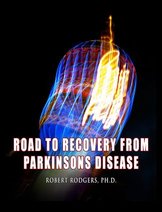
The cover of my best selling book Road to Recovery from Parkinsons is a photograph taken by photographer Allen Babbitt. I loved the image that is featured on the cover. Tremors make his photos truly unique and a special treat for those who also happen to be diagnosed with Parkinson’s disease. For Allen, tremors were not a liability. They were an asset.
The best 10 minutes of your day today will be spent watching the following video about Allen, his Parkinsons, his photography and his recommendation for others traveling down the road to recovery. Visit the link below to watch.
https://davesphere.substack.com/p/unshackledan-inspirational-video?utm_campaign=post&utm_medium=web
In the video Allan demonstrates a trick he discovered that calms his tremors when he walks. He tosses a ball back and forth from one hand to the other and presto. Tremors are instantly quieted.
I just learned that Allan died a few months ago and wanted to pay tribute to an amazing individual and a gifted photographer who has been an inspiration to many including me!
Robert Rodgers PhD
Founder 2004
Parkinsons Recovery
https://www.parkinsonsrecovery.com
Two ancient practices show promise for Parkinsons: Qigong and Tai Chi. Two individuals in particular have experienced profound symptom relief . One embraced Qigong. The other embraced Tai Chi. Both methods quiet the mind and reduce day to day stresses that are problematic for persons diagnosed with Parkinson’s Disease.
The first approach which proved successful for Bianca Molle is Qigong. The second which proved successful for Daniel Loney is Tai chi. Each method originated in the East many, many years ago. Qigong and Tai Chi are both tried and true methods that have obviousy survived the test of time.
Some of the therapies that people place the most confidence in have emerged within only the past few decades and have not yet passed the acid test of time. In my “book” of successful therapies, continuous use of a therapy for centuries on end counts for something. When people across the continents practice methods like Qigong and Tai Chi for hundreds of years they must be worthwhile, eh?
I am personally dazzled at the success these two individuals have manifested. They are true pioneers of natural methods that are helping more and more people across the globe reverse Parkinson’s symptoms. Techniques of Qigong and Tai Chi obviously differ but the end result is similar. They both help to bring the delicate balance of hormones that are critical to neurological health back to their natural state.
QiGong
You can obtain more information about my interview with Bianca Molle who finds Qigong to be the therapy that worked for her by visiting:
Qigong for Parkinson’s Disease
Tai Chi
Daniel Loney has clearly found profound relief from his symptoms through a systematic practice of Tai Chi. He is now an active proponent of Tai Chi. He says it has helped him and other people with Parkinson’s Disease enormously.
You can discover more information about my interview with Daniel Loney by visiting the book website:
Tai Chi for Parkinson’s Disease
These Two Ancient Practices Show Promise for Parkinsons as demonstrated by these two remarkable individuals who have been traveling down the road to recovery.
Robert Rodgers PhD
Road to Recovery from Parkinsons Disease
www.parkinsonsdisease.me
Pioneers of Recovery offer rich insights into what it takes to celebrate relief from Parkinson’s symptoms. The ten individuals featured in Pioneers of Recovery found different ways to reverse their Parkinson’s symptoms.
Pioneers of Recovery print book is available on Amazon here: Pioneers of Recovery
Your download is not automated. It usually takes a few hours to receive it in your email or the next day it you order during the evening.
Below are minute long clips from the Pioneers of Recovery who offer rich insights into their recovery process. Causes of their symptoms varied considerably. Their approaches to recovery were all very different.
Bianca on Recovery
Cheryl on Recovery
Daniel on Recovery
Gord on Recovery
Howard on Recovery
Karl on Recovery
Lexie on Recovery
Lydia on Recovery
Marian on Recovery
Discover the details of how each pioneer reversed their symptoms which are documented in Pioneers of Recovery available on Amazon.
Or better yet, listen to my interviews with each of the pioneers. You will be inspired by the many options that make recovery possible
Robert Rodgers PhD
Founder 2004
Parkinsons Recovery
https://www.parkinsonsrecovery.com
robert@parkinsonsrecovery.com
Studies find that Astaxanthin for Parkinsons has potent anti-inflammatory effects. and is recommended by researchers as a treatment for Parkinsons. Abstracts of two studies (among over 100 studies) are included below.
As with any antioxidant, many outlets for Astaxanthin are available. Some are reputable. Many are not.
I recommend one source in particular which is available from Valasta (https://www.valasta.net). Their formulation was inspired by a fascinating question that molecular biologist Sam Sheppard asked: What animals do not get cancer? We all know dogs and cats get cancer. Which ones do not?
Sam’s research revealed five animals in particular never get cancer:
- Elephants
- Salmon
- Pink Flamingos
- Sharks
- Naked Mole Rats
Now that is an interesting list of animals, eh? Sam then asked the critical question: What does this motley group of animals have in common? The Answer: They all had a robust supply of Astaxanthin.
This is basic research at its best. Clearly there are many anti-oxidant and anti-inflammatory options that have been determined useful as treatments for Parkinsons, but Astaxanthin for Parkinsons has significantly increased potency and is well worth including in your program of recovery.
For more information about Sam Sheppard and his journey down the road to recovery visit https://www.valasta.net
Antioxidants (Basel). 2025 Jun 12;14(6):715. Astaxanthin: A Compound in the Prevention of Chronic Diseases and as a Potential Adjuvant Treatment Agen
Abstract
Astaxanthin (AST) is a fat-soluble carotenoid antioxidant. AST exhibits multiple protective mechanisms, including its antioxidant, anti-inflammatory, immunomodulatory, anti-apoptotic, nervous system-protective, anti-tumor, and anti-fibrotic effects. These effects make it a promising compound for the prevention of chronic diseases.
AST can protect the nervous system against neurodegenerative diseases such as Alzheimer’s and Parkinson’s disease. It also protects the liver and helps reduce the risk of chronic kidney disease. Additionally, it improves cardiovascular health and has anti-diabetic properties.
This review aims to provide an updated overview covering the protective effects of AST against various chronic diseases, including its antioxidant, anti-inflammatory, and anti-apoptotic effects. We also discuss the strategies used for improving astaxanthin bioavailability and its potential as an adjuvant therapeutic agent.
******
Pharmacol Res. 2021 Apr:166:105479. Therapeutic uses of natural astaxanthin: An evidence-based review focused on human clinical trials
Abstract
Astaxanthin is a natural C40 carotenoid with numerous reported biological functions, most of them associated with its antioxidant and anti-inflammatory activity, standing out from other antioxidants as it has shown the highest oxygen radical absorbance capacity (ORAC), 100-500 times higher than ?-tocopherol and a 10 times higher free radical inhibitory activity than related antioxidants (?-tocopherol, ?-carotene, ? -carotene, lutein and lycopene).
In vitro and in vivo studies have associated astaxanthin’s unique molecular features with several health benefits, including neuroprotective, cardioprotective and antitumoral properties, suggesting its therapeutic potential for the prevention or co-treatment of dementia, Alzheimer, Parkinson, cardiovascular diseases and cancer.
Benefits on skin and eye health promotion have also been reported, highlighting its potential for the prevention of skin photo-aging and the treatment of eye diseases like glaucoma, cataracts and uveitis.
Robert Rodgers PhD
Founder 2004
Parkinsons Recovery
https://www.parkinsonsrecovery.com
Parkinsons Recovery is dedicated to identifying promising new therapies that offer the promise of reversing symptoms of Parkinson’s disease. One such
therapy, High-Dose Thiamine, was discussed on Parkinsons Recovery Radio during an interview with Italian neurologist Antonio Constantini MD. He prescribed High Dose Thiamine as a treatment for his Parkinson’s patients with good success. Click on the pointer to hear the replay.
Parkinsons disease is a systemic disease with motor and non-motor deficits. In July 2011, Dr. Costantini treated a 47-year-old man affected by spinocerebellar ataxia type 2 (SCA2). In this patient, fatigue as well as motor symptoms improved after parenteral high doses of thiamine (also this was our proprietary research).
He formulated the hypothesis that in some inherited and degenerative diseases of the nervous system, the pathogenesis of the symptoms could be linked to a focal thiamine deficiency due to a dysfunction of the circulation of thiamine in the intracellular space or to structural enzymatic abnormalities. He speculated this dysfunction could be responsive to high-dose thiamine. Parkinson’s disease has also been related to mutations associated with SCA2. Applying the same approach to patients with Parkinson’s symptoms the observed results were nothing short of startling and never previously described in literature.
Links: https://www.youtube.com/channel/UCwsHIcP_h6QVWwd4uRg-HDQ?view_as=subscriber
Robert Rodgers PhD
Road to Recovery from Parkinsons Disease
https://www.parkinsonsdisease.me