Words of wisdom to the newly diagnosed. What would you say to a person who has just been diagnosed with Parkinson’s?
You must believe that your life is worth living. You must not give up and withdraw from society and activities.
Gord Summer
Gord Summer traced his symptoms back to July of 1999. Martial artist, instructor and scuba diver, Gord is now more active than ever after retiring from the ownership and operation of hotels. In my interview with him below he previews the therapies and approaches that help him enormously
What would you say to a person who has just been diagnosed with Parkinsons disease?
Get involved in an exercise program, whether it is Tai Chi or something else that turns you on. Whatever it is, get involved and make it a regular part of your life because exercise and keeping your body moving is one of the things that keeps you healthy.
What would you want to say to someone who has just been diagnosed with Parkinsons disease?
You have been given a box but you do npt need to crawl into it. Jump out of the box and explore. It is possible to reverse symptoms. Work on the fear. Work on the confidence. Work on the joy.
Bianca Molle
Click on the purple arrow to hear Bianca Molle on Parkinsons Recovery Radio
My interview with Bianca Molle explores Qigong as a primary strategy to jump out of the box and celebrate a reversal of her Parkinson’s symptoms. Wisdom Healing Qigong (WHQ) is a particular form of the ancient Chinese spiritual practice that focuses on personal health and wellbeing, blending essential ancient teachings into one gentle practice of movement, visualization, chanting and meditation. Compatible with traditional Chinese and modern western medicine, it fits all abilities and is very effective for chronic and acute health conditions.
Joining us on the show is my special guest Bill Bulick who has been practicing Wisdom Healing Qigong daily for almost 4 years. He was originally inspired by the story of Bianca Molle, who reversed her Parkinson’s symptoms through this practice, and by the extraordinary teaching of Master MIngtong Gu. Bill has been a devoted student of Mingtong’s since 2011, has attended six 10 day retreats, has increased his practice to 2-4 hours and is now in the WHQ Teacher Training Program.
In recent years, stem cell technology has made significant strides, capturing the imagination of both the medical community and the general public. Among the latest innovations in this field are X39 stem cell patches, which promise to revolutionize health and wellness through a novel approach.
What Are X39 Patches?
X39 stem cell patches are a type of wearable technology designed to leverage the body’s natural healing processes. Developed by LifeWave, these patches are infused with specific peptides and bioelectrical signals purported to activate stem cell production and rejuvenate the body’s cells.
Unlike traditional stem cell therapies, which often involve invasive procedures or costly treatments, X39 patches offer a non-invasive and cost-effective alternative. The patches are designed to be worn on the skin, where they interact with the body’s electromagnetic field to promote cellular regeneration and overall wellness.
How Do X39 Patches Work?
The science behind X39 stem cell patches is based on a combination of bioelectrical stimulation and peptide technology. Here’s a simplified breakdown of how they work:
Bioelectrical Stimulation: The patches are embedded with materials that emit low-level electrical signals. These signals are believed to interact with the body’s own electrical field, potentially stimulating the production and activity of stem cells.
Peptide Infusion: The patches are also infused with specific peptides, which are short chains of amino acids. These peptides are thought to play a role in cellular communication and repair, potentially enhancing the body’s natural healing processes.
Wearable Technology: The patches are designed to be applied to specific points on the skin. Once in place, they continuously emit their bioelectrical signals and peptides, promoting a supportive environment for stem cell activation and cellular rejuvenation.
Ian kindly gave me permission to post his experience using the X39stem cell patches. His report follows.
I have had to 2 large squamous cell carcinomas removed in the past which, unlike others like them, did not respond to a cream I use. One was taken off by a surgeon under an anesthetic where I was conscience but didn’t feel the surgery. Recently another one appeared but this time the cream worked perfectly! I had not long started on the X39 patches at that stage.
I have a dark patch on my face which look a bit like a melanoma which has been shrinking since I started using the X39 patches.
My taste and smell certainly seems to be in proving. I had to go back to an old liquid B complex and found it extremely bad tasting. I always tolerated it well before.
One guy who buys through me as product partner who has been diagnosed with Parkinson’s and Osteoarthritis. He reported that within 15 minutes of putting on the patch he could feel less pain in his left knee and it has continued to improve. He said that his PD has changed with not as much dribbling and a slight improvement in tremors.
Ian
For further information about the X39 stem cell patches visit: X39 Patches
I have exciting news. The gold standard company that invents new
light therapy devices (Vielight.com) has just announced the invention and availability of a photobiomodulation device that stimulates the vagus nerve. What is the big deal you wonder and why am I so excited to tell you about it?
Reduction of symptoms goes hand in hand with reducing anxiety. When anxiety flares up, so do symptoms.
The Vielight Vagus device enables non-invasive stimulation of the vagus nerve via photobiomodulation (PBM). This device was engineered to enhance the parasympathetic nervous system via the vagus nerve. How cool is that?
Why the vagus nerve?
The vagus nerve is crucial in regulating many of our bodies’ most basic functions. One of the most important aspects of the vagus nerve is its direct connection between the brain and the gut.
Please consider getting the Vielight Vagus. I have not seen a new invention that I have been this excited about in a long time! By far the best strategy to reduce symptoms is to get anxiety under control. This device is designed to do just that.
Testimonials?
Hello? The device was just invented. The company however invites users to use their devices for up to six months. If it does not offer the relief expected, return the device for an 80% refund. The risk is minimal. The benefits are potentially huge.
Enter the Parkinsons Recovery coupon code healing4me to claim a 10% discount.
Visit the link below to order (and do not forget to enter the coupon code above to take advantage of the discount).
When anxiety flares up, symptoms always get worse. One of the best ways to sooth symptoms is to identify ways to get anxiety under control in the moment. This shifts the focus away from ways to suppress symptoms temporarily and embrace ways to reverse symptoms when they are most problematic.
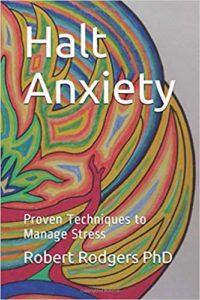
I document proven techniques to Halt Anxiety in a book that is available as a download and as a paperback. This has been a work in progress for many months which is at long last complete.
My book introduces simple techniques that calm anxiety and reduce stress when they are most needed. The techniques:
Are simple to implement
Can be accessed anywhere, anytime in any situation.
Cost nothing
Reduce anxiety
Calm stress
Help reduce the severity of symptoms
Click the book cover below to order the paperback ($10):
Robert, Good day. I have a couple questions for you about negative pleasure but will give a brief history of myself first. Dx with pd in 2008 at age 42. I have not taken any pd meds of any type. Since dx I have tried numerous therapies to include: mercury filling removal, chelation, aspartame detox, lyme tx (both antibiotic and herbal), EFT, TMJ mouth piece, dental cavitation tx, hypnosis, shiatsu, chiropractic, acupuncture, scalp acupuncture, herbs, CoQ10, more supplements than I can list, glutathione IVs, vitamin IVs, DMPS IVs, nanobacteria supplements, colored laser therapy, ozone injections, detox baths, infrared detox, hyperbaric chamber, heavy metal detox, organic diet, copious reading on everything from emotional topics to body electronics, forceless spontaneous release as described by the Parkinson’s Recovery Project in Santa Cruz, and Howard Shifke’s protocol as described on his website. Possibly a few more, truthfully, there are so many it is hard to remember.
Unfortunately, I have observed no distinguishable benefit from any of them. Meaning, I have continued to be increasingly affected by pd on the same trajectory as always. In spite of this, I refuse to admit that pd is not reversible.
I recently purchased your book Road to Recovery from Parkinson’s Disease. About halfway through it, I am finding it to be useful, though as you can see from above I have tried a good many of the therapies with no observable benefit. That said, I was intrigued by the explanation of “negative pleasure” on about page 146. I did say to myself,
“No, I won’t heal from this disease. I like to feel this way.”
When I thought and said that, I felt a tinge of something, not sure what…relief…peace…resonance. Bottom line, I need to deal with/heal from the illogical process of negative pleasure acquired in childhood. My question for you is, what is the best way?
Response:
You are certainly doing incredible work! It sounds like you have landed on what may be a primary reason your symptoms linger despite all the work you have done – the haunting influence of negative pleasure. When an unconscious feeling of pleasure is attached to a negative experience (such as the symptoms of Parkinson’s) it becomes “negative pleasure” which is an attachment of pleasure to pain.
Negative pleasure (which actually most people have experienced but do not realize it) is entirely unconscious. This of course is why it is so terribly difficult to heal and why you asked the question in the first place. It is a concept that is foreign to many people, but one that can keep us in a place of illness year in and year out.
The attachment of pleasure to pain often occurs in early childhood. It is not an attachment that is not disengaged by resorting to logical reasoning alone.
I can happily report that you have made the most significant step already. Making conscious the role of negative pleasure as an obstruction to your recovery has taken you a long way toward healing it.
From my personal experience, you have to address the problem from both an intellectual (and logical) perspective and also address the underlying feelings that are involved. For me the latter challenge has been the most difficult.
On a purely logical plane, the question to ponder turns on the following:
What purpose does having symptoms of Parkinson’s serve me?
For example, perhaps having Parkinson’s disease has given you a reason to quit a job which was not in your best and highest good, a job that does not offer you pleasure and satisfaction. Before having the symptoms, your ego logic concluded you had to keep on working to take care of your family (or here … please fill in the gap with all the other reasons we can concoct for ourselves).
Or, perhaps having Parkinson’s gives you an excuse to become isolated and avoid contact with other people. Or … Obviously, there can be many answers to this question. It is important to reflect and meditate to find the answer that applies to your own situation. In other words, what do you get “not to do” that is intrinsically distasteful because you have Parkinson’s?
The goal in the end is to disassociate and untangle the dynamics of negative pleasure – to feel pleasure when there are pleasurable sensations and to feel pain when there is real pain to be experienced.
The reason it is so difficult to heal negative pleasure is that it comes from a place that has no words or logic. You can not talk it out of your body or will it out. So, how can you release an attachment of negative pleasure to Parkinson’s Disease?
Energy healers can provide help in this area. There will be a critical core of Brennan Healing Practitioners (all of whom have had extensive training and experience and know all about negative pleasure) who are well versed in this issue and help clients clear it out.
The Brennan healing work really is quite incredible I must say. It has been transformative for me. There are likely Brennan Healing Practitioners in your area who can help out as well.
Question: What are your thoughts about using the mucuna to
treat the symptoms of Parkinson’s?
Answer:
There is an upside and a downside to taking Mucuna to treat the symptoms of Parkinson’s.
The Upside Macuna bean (or Mucuna Puriens) is derived from a plant
that grows in tropical climates. The Mucuna herb has been used
for generations in India and other eastern countries to treat
Parkinson’s with varying success. Mucuna is by no means
a new revelation. People use Mucuna in part because it does not have the side effects of prescription medications.A number of people in my global audience who take prescription
medications for Parkinson’s have been pleased with the results they
get from taking Mucuna. Others have succeeded
in reducing the dose of their prescribed medications or
even weaning themselves off prescription medications altogether.
No changes in the dosage of prescription medications should of course be made without consulting with your doctor first. Even though it is not a prescription medication, it is also just as important to consult with your doctor before taking any natural herb supplement like Mucuna to boost dopamine.
The Downside
It is clear from talking with other health professionals that
Mucuna is not a cure nor does it provide relief for everyone. After all, if Mucuna were a panacea
everyone with Parkinson’s would be taking it and no one
today would be suffering from its symptoms.
Many people think of Parkinson’s simplistically as a
deficiency of dopamine. In fact, the “disease” is
described by most health care providers as such.
The truth of the matter is that reasons for
the symptoms of Parkinson’s are far, far more
complicated than this simple explanation.
Symptoms of Parkinson’s are affected by an imbalance
of over 39 different neurotransmitters. When you take Mucuna or any dopamine supplement for that matter
you are making a decision to focus on a tiny fraction
of the problem.
The body is making fine adjustments to the production
and distribution of hormones continuously, second by
second, minute by minute. Consider the maze of
complicated adjustments your body makes to produce
and distribute the other 38 neurotransmitters when you take
any dopamine lookalike.
Ingesting a single synthetic hormone once a day creates an instant
adjustment the body must make to the delicate balance of hormones
in the body. The “adjustment” that comes from taking a dopamine
supplement (whether prescription or a supplement like Mucuna) is crude.The body produces and distributes hormones continuously each and every second of the day.
Do the math.
If the choice is between relying on the body or any dopamine supplement I
am betting on the body any day of the week.
A second challenge you will encounter if you decide to
take Mucuna – and keep in mind this may be a good
choice for you – is that you are giving your body the
signal it does not need to expend the energy produce dopamine
on its own. Think like your body and you will understand
the long term consequences of what happens when
you take a dopamine producing supplements. Here is the decision sequence:
1. Your body is busy with the work of adjusting and balancing hormones
which, after all, is one of its functions.
2. An external source of domaine mysteriously
appears in the digestive system.There is suddenly and
unexpectedly an external intrusion into the body.
3. The body begins to ponder: “Who is in charge here?” A critical function of the body is suddenly and unexpectedly being handled by an external intervention.
4. The body then concludes: “If someone else is doing my job, why should I bother?” Isn’t this just anyone of us do when someone else takes on the burden of doing
a job you thought was our responsibility? I mean, if someone else wants to do the work, why not let them?
A reason cells in the substantia nigra die is because
dopamine is being supplied by an external source. Cells
that produce dopamine are no longer needed since the supply is provided by an external source. You either use it or lose it. In this case you lose it. The body eventually surrenders responsibility for producing dopamine.
Prescription medications and Mucuna are different delivery systems for
dopamine. For most people higher doses have to be take to experience symptom
relief.
John Coleman ND points out that most of the Macuna bean
that is packaged and sold in the marketplace is not actually
“natural.” It is a processed. The Mucuna pill capsules
are manufactured and refined, purified and converted to
powder. John Coleman ND has also observed in his clinic that
some forms of Macuna induce the “same adverse effects as synthetic
levodopa if consumed in large quantities over a long period.
Coleman offers a different recommendation for his clients.
He suggests you hydrate your body by taking a natural homeopathic remedy. The body has an easier
time producing and balancing hormones when the cells
are adequately hydrated.
Mucuna may provide welcome relief in the short term.
But if it is used as a lifetime remedy your body’s
incredibly intricate system for monitoring
hormones will be short circuited. Sensitivity of
the monitoring system is degraded and the system
itself is eventually disabled.
Your body gradually gives up its mandate at birth to maintain
health and wellness. You eventually begin to feel lousy.
Health deteriorates.
Why not give your body a chance to do its work whenever
possible? Wait. Be patient. Ask the most important question of all:
What is causing your symptoms?
Once you identify and address the cause, you will not necessarily
begin feeling good every day. Some days you will may feel lousy.
Helping the body re-remember how to balance hormones is not an
easy task but the rewards are worth it.
The circadian rhythm, or circadian cycle, is a natural oscillation that repeats roughly every 24 hours. In this clip of my interview with Karl Sterling a two step process is recommended for resetting your circadian rhythm. Why bother? This facilitates a restful night’s sleep.
Please take note of the fact that no medications are suggested or supplements recommended here. This two step process is a natural way to celebrate sound sleep which is the key to healing from the inside out.
Step outside for a minute the first thing in the morning and the last thing in the evening before the sun sets.
Try this two minute fix if you have having problems getting to sleep and staying asleep.
This clip from my interview with Steven Fowkes discusses an iron toxicity chelation method that will likely surprise you. As documented in previous posts the accumulation of excess iron can be a contributing cause of Parkinson’s symptoms. His solution to address the dangerously high accumulation of iron is eloquent and simple.
“I would say one of the things that potentially could be a critical factor for Parkinson’s disease is iron storage. I would tell anybody who has Parkinson’s disease to get their iron storage assessed clinically early in life. If they are accumulating too much iron they can off load that iron by donating their blood to the Red Cross. This is one of the things that is sadly under appreciated.
Iron toxicity can be a cause of heart disease in men particularly, and in post menopausal women. When women stop menstruating, they start accumulating iron like men do in their twenties, so twenty to thirty years of iron accumulation can actually get to the point where you actually start to “spill” the iron. At that point your entire health starts to deteriorate very rapidly, including your cognitive function.”
So, donating blood to the Red Cross can be a huge benefit to a
person?
“Oh yes. When I was doing volunteer work for the AIDS community, they did a study where they were transferring antibodies from people with high antibody counts to people with low antibody counts. The people receiving the antibodies actually did not get any benefit at all. But the surprise was that the people donating the antibodies got benefit.
I regularly give blood three to four times a year and have for a long period of time. I know that this is the best way to get rid of iron. If you are male and in your thirties, ask your doctor to give you a serum ferritin test. If you want, also ask for a transferrin saturation test and a TIBC which is a Total Iron Binding Capacity test. They are all relatively cheap. They tend not to be included in a regular annual physical because your iron status changes so slowly over time.
Normal blood tests that you get done by your doctor during an annual physical will measure the iron in hemoglobin, but it does not measure the stored iron. Hemoglobin iron and stored iron do not track with each other. Oftentimes they have nothing to do with each other.
When you are anemic, you can actually have dangerously high levels of iron, but it is not getting from your storage form into the hemoglobin. When your doctor puts you on iron supplements this can actually threaten your life.
You need to measure your storage form of iron to know whether or not you need to take B12 and folic acid to solve your anemia or whether you need to take iron to solve your anemia. In men this is critical because they do not menstruate. The only way we lose iron is to go out and fight wars, get injured, fall from trees, and get bitten by wild animals.
Get this ferritin test. If you come from a family with a history of heart attack rates in males, in their fifties or sixties, you will probably see that your ferritin will be high. Just start giving blood.
Since iron toxicity is involved in Parkinson’s disease, men need to get this assessed. Post menopausal women need to get this assessed to see if maybe part of their long term program should be offloading iron.”
I would like everyone who confronts mobility challenges to discover simple methods that make it possible for walking to become rock solid.
I prepared videos and written explanations of each recommendation. To watch the videos click on the secure link below. Then, enter your first name and email address in the fields provided so I can email you links to the videos I have prepared for you to watch.
The following is an amazing story of recovery by Hanne Koplev who successfully addressed the challenge of heavy metal toxicity. This is a “must” read by anyone who has any doubts that recovery from the symptoms of Parkinson’s is possible.
“A neurologist recommended in the year 1998, that I should be medicated against my tremor, but I said no thank you to his offer, as I preferred to be better diagnosed before starting medication.
The following year my symptoms increased, as I became more rigid and my tremor got worse and I therefore was easy to persuade by a new neurologist to try anti-Parkinson medication. Shortly after, I was scanned for Parkinson’s disease and the result was compatible with the diagnosis of Parkinson’s disease in the early stage.
Anti-Parkinson medication helped to decrease the symptoms, but soon I experienced more severe symptoms. At first I thought that it was the disease becoming more severe and this was confirmed by my neurologist who told me that it was unavoidable.
After one year on medication my neurologist recommended that I stopped medication before the next consultation. This became the start of a new phase in the way I coped with my disease, as without medication, I experienced that:-
– The medication can result in abstinences when the medication is stopped.
– Many of the symptoms, that I thought were Parkinson’s symptoms, were in reality side effects of the medication.
Therefore I decided to accept the symptoms of the disease instead of being burdened with adverse side effects of the medication. The outcome of this choice forced me to search for factors, which had influenced my symptoms.
In the year 2001 I was tested for Heavy Metal Toxicity in a private clinic in Aarhus, Denmark by Dr. Bruce Kyle and I was diagnosed with a combined toxic overload with mercury and copper.
I was treated at Dr. Bruce Kyle’s clinic with the Chelating Agent DMPS, with Vitamin-C infusions and different kinds of antioxidants and nutritional support. At the same time I had my amalgam fillings removed and had non-toxic, non-metal composites instead. This was done by a dentist with extra education in safe removal of amalgam. I also use saunas, which help detoxification by sweating out the toxins through my skin.
After some years of undergoing detoxifying treatments, I had fewer tremors and was less rigid, but I still suffered from fatigue. Allergic reaction against metals was suspect, and I undertook a MELISA-test. (www.melisa.org)
My test showed an allergic reaction against gold, nickel and cadmium and treatment protocol was removal of a dental gold crown, which was replaced with plastic. Now, I try to avoid nickel and to eat more organic food to avoid cadmium. Luckily I have been rewarded for my efforts as my fatigue has decreased.
Today I can honestly say that testing and treatments for my chronic cumulative toxicity has been successful for revealing some of the causes of my Parkinson’s disease. However, I still have slightly high levels of copper left and in Autumn 2006 and Spring 2008 tests show that I am also burdened with lead and aluminium.
I do not dare to think about how my life would have been without detoxifying treatments! When I look at other patients with Parkinson’s disease who are getting worse, I have even more reasons to be thankful for my health, which continues to improve as time goes on.
Where do these Heavy Metals come from?
In my case, mercury and copper were likely to have come from my amalgam fillings. Copper-amalgam contains a high percentage of copper and I had many fillings in my milk teeth. Even later in school I had many cavities, which were restored with amalgam. The dentist said that I had weak teeth.
As an adult, I have only had one cavity, so I might think that my parents were not good at helping me with tooth brushing and perhaps also the school dentist has been tempted to do fillings, which were not necessary as she was paid for the amount of pupils’ cavities that she restored.
In addition I have in my job as a veterinarian, been exposed to many thermometers, which sometimes break and where the mercury ended up in the bottom of the car. Veterinarians were not properly informed that this could constitute a health hazard at that time.
Moreover Mercury can come from vaccinations containing the preservative Thiomersal (ethyl-mercury). Mercury might also come from environmental pollution and intake of fish. Copper might come from use of copper spiral (anti contraceptive) and from drinking water and food. The Danish Agriculture Production uses 200 tons of copper yearly and this copper could be assumed to spread to the environment and end up in drinking water and food.
When a person is burdened with mercury toxicity, then the excretion of copper is decreased.
My toxicity burden with lead might perhaps come from common environmental pollution.
My toxicity with aluminium probably came from years of injections with aluminium containing products against dust mite allergy.
My nutrition today contains more antioxidants (nutrients which protects the body against free radicals and oxidation), more vegetables (raw vegetables are chosen) and more fruits. I have stopped eating unhealthy fats such as margarine, hard fats, corn oil, soy, sunflower etc. I try to eat more of the healthy fats such as fat fish (salmon), linseed, olives oil, nuts etc.
I take antioxidants as nutritional supplementation, also a multivitamin mineral pill without iron and copper, extra vitamin C and E, Lipoic acid, N-acetyl-cysteine, Echinacea, Ginkgo Biloba and Coenzyme Q10. I also use DMSA for mercury, copper and lead chelation.
Concerning the nutrition I would recommend the book by Jean Carper – Your Miracle Brain.
Physical activity has been an important part of my life. At the beginning of my disease I walked without swinging my right arm and I stumbled rather often. After years training trying to walk normally with swinging my right arm, I have succeeded, but only when I am not too stressed or exhausted. The principle is like this, if I can walk one step with swinging the arm, then I can also walk 3 steps….. or also walk 5 minutes…or 5 kilometres and so on.
I also use visualisation when training my movements.
People, who do not realise the effects that Parkinson’s disease has on their own body, often have problems understanding how demanding it is for a Parkinson patient to cope with conscious movements. Even something as banal as cleaning your shoes on a doormat is not necessarily functioning automatically but needs mental work, like steering a toy car with a joystick.
It is very common that a Parkinson patient with time develops a forward bending posture and some years ago I had thoracic Kyphosis and could not wear any of my shirts anymore. A physiotherapist has taught me some physical exercises, which I since have done every day.
Today my back is straight again, which makes me happy. People, who are happy, often have a straight posture, while sad and grieving people often have a crooked posture. By choosing body posture you can also indirectly choose your emotions.
I enjoy sending a signal that I am bubbling with joys of life.
I try to avoid, if possible, all kind of stress. Now I choose calm classical music instead of rock; I value tight relationships instead of having a circle of acquaintances with ‘small talk’ and I love being out in nature instead of taking city walks. It is a pleasure for me to do meditation and to sing.
I have also improved at listening to the signals from my body and I take care to rest and sleep when needed. I have also improved at learning to avoid doing things, which I dislike and instead I do things that make me happy.
When being diagnosed with a chronic disease the patient often goes through a life crisis and so did I. The crises made me more religious and I learnt to pray to my God from the bottom of my heart and this has given me spiritual power to cope with life and the new circumstances.
‘Where there is willpower, there is a way to go.’ This phrase was said about me by a good friend, as a way to express how I cope with my disease.
Years ago the neurologists said several times that I had got Parkinson’s disease and that this disease is chronic, impossible to cure and progressive. I thought that it might be like this for other patients, but that it would not be like this in my case. By working and studying a lot and sometimes by choosing blind paths, I have succeeded in finding a tiny little path out of my disease. Today I have fewer symptoms than in the year 1998, which means that the expression ‘progressive’ cannot be used generally about all patients with Parkinson’s disease.
I retired in the year 2001 when I was 44 years old and although it was really a hard time, today I feel that I have a good life. To my co-patients I will say:-
“Search for knowledge and keep on trying to search for new possibilities.”
Generally I recommend neurological patients to be tested with a chelating agent for chronic toxicity with heavy metals. If this is diagnosed, then it is possible to de-toxify, which can give hope to a future of increased health and decreased neurological symptoms.
If you want more information about toxicity with heavy metal and Parkinson’s disease then use the Internet.
Thank you for reading my case-story and I wish you all the best.
Iron toxicity may well be a contributing factor to symptoms associated with a diagnosis of Parkinson’s disease.
The problem of iron deficiencies is well known. Your body needs iron to:
Help hemoglobin in blood cells carry oxygen throughout your body.
Make red blood cells.
Produce certain hormones.
Normally, your intestines absorb just the right amount of iron from the food you eat. But with hemochromatosis, the body absorbs extra iron and stores it in your organs, especially your heart, liver, and brain.
When it comes to Parkinson’s symptoms, the problem is not so much an iron deficiency. It is a unhealthy accumulation of too much iron in your brain. This causes the death of brain cells that produce dopamine.
The Research
There have been a burst of studies that have documented the effects of iron as a factor that contributes to Parkinson’s symptoms. Ferroptosis is a type of cell death described less than a decade ago. It is caused by the excess of free intracellular iron. Iron is essential as a redox metal in several physiological functions. The brain is one of the organs known to be affected by iron homeostatic balance disruption. Since the 1960s, increased concentration of iron in the central nervous system has been known to create oxidative stress, oxidation of proteins and lipids, and cell death.
Does Everyone with Symptoms have an Excess of Iron?
No. But some do have this problem and it is a significant contributor to symptoms.
An inherited genetic condition is the most common cause. It’s called primary hemochromatosis, hereditary hemochromatosis or classical hemochromatosis. With primary hemochromatosis, problems with the DNA come from both parents and cause the body to absorb too much iron. In other words, the body cannot convert iron to the form needed to perform essential body functions.
The Solutions?
If this condition applies to you, an iron chelator of one form or another might be considered. There is a medically prescribed chelator that your doctor may be willing to consider (though not specifically indicated as a treatment for Parkinson’s).
Deferiprone is a prescription iron chelator indicated for the treatment of patients with certain types of iron overload due to thalassemia syndromes when other chelation therapies prove inadequate. Your doctor may not be willing to prescribe this without clear evidence of iron toxicity in the brain which can be difficult to document.
I would not recommend going this route as a first step, partly because everyone does not have this genetic configuration. Rather. I would recommend that you talk with your doctor about using herbal chelators documented to be useful in chelating iron. If you begin to gradually feel better – this may be a primary issue for you. The following can help chelate iron.
Curcumin (the active ingredient in the traditional herbal remedy and dietary spice turmeric)
Quercetin.
Resveratrol.
Green Tea.
My guess is that while not everyone has this condition but a surprising number probably do. This option is worth considering if you have had no success with pursuing other options.
Do you have problems with balance that result in falls occasionally? You may suspect the problem is a dopamine deficiency. I suggest an alternative cause – food poisoning which results in a plethora of bad bacteria in your gut.
The energy running through various meridians in our body is what keeps us alive. All of the meridians that connect to the head and brain are the digestive meridians – stomach, small and large intestine. Focus on getting your digestive system back on line and your balance problems should resolve.
Lightheadedness is a common symptom of food poisoning, that stems from the symptoms of nausea, fatigue and/or dehydration.People with food poisoning may also experience dizziness that presents as a symptom a day or two (or much sooner) after becoming infected.
One such food poisoning is listeria. Symptoms may include fever, aches, stiff neck, headache, lost balance, mental confusion, and convulsions. Please note the symptoms of “lost balance.”
There is a natural remedy for food poisoning you have likely never heard about. I certainly knew nothing about until I had a serious bout with food poisoning recently.
It is called “Activated Charcoal”, a nonprescription supplement available in health food stores and supplement outlets. This is a natural treatment that has highly absorbent capabilities. For this reason, it is mostly used in various detox programs and to get rid of harmful substances like food toxins.
Although it is a natural remedy there are side effects. These need to be investigated before you decide to take it. Also, be sure to check with your doctor before deciding to give it a trial run.
I personally wanted you to know about it because it helped reverse my dizziness and reclaim Rock Solid Walking after experiencing a scary assault of food poisoning. I took an activated charcoal capsule for 3 weeks or so afterward and now take one capsule when I eat out at a restaurant.
This may be a simple solution to a very troublesome symptom. Check it out!
Phototherapy has been around for over a century. It uses light to facilitate healing the body from the inside out. Ancient Greeks studied the healing effects of different light frequencies.
How do the X39 Patches Work?
Your body emits heat in the infrared spectrum. The X39 patches are designed to trap this infrared light energy when placed on the body. It secrets a peptide called GHK which studies report reactivate dormant stem cells (see below). No drugs or chemicals enter the body.
Below is a Youtube presentation by the inventor of the X39 Lifewave patches David Schmidt:
The study abstracts listed below do not specifically evaluate the impact of the X39 Stem Cell Patches on any specific chronic condition. They do offer support on the impact of the GHK peptide secreted by the patches on the rejuvenation of stem cells throughout the body. Stem cells facilitate healing of all chronic conditions.
Brain Sci. 2017 Feb 15;7(2):20. The Effect of the Human Peptide GHK on Gene Expression Relevant to Nervous System Function and Cognitive Decline.Loren Pickart, Jessica Michelle Vasquez-Soltero, Anna Margolina
Abstract
Neurodegeneration, the progressive death of neurons, loss of brain function, and cognitive decline is an increasing problem for senior populations. Its causes are poorly understood and therapies are largely ineffective. Neurons, with high energy and oxygen requirements, are especially vulnerable to detrimental factors, including age-related dysregulation of biochemical pathways caused by altered expression of multiple genes. GHK (glycyl-l-histidyl-l-lysine) is a human copper-binding peptide with biological actions that appear to counter aging-associated diseases and conditions.
GHK, which declines with age, has health promoting effects on many tissues such as chondrocytes, liver cells and human fibroblasts, improves wound healing and tissue regeneration (skin, hair follicles, stomach and intestinal linings, boney tissue), increases collagen, decorin, angiogenesis, and nerve outgrowth, possesses anti-oxidant, anti-inflammatory, anti-pain and anti-anxiety effects, increases cellular stemness and the secretion of trophic factors by mesenchymal stem cells.
Studies using the Broad Institute Connectivity Map show that GHK peptide modulates expression of multiple genes, resetting pathological gene expression patterns back to health. GHK has been recommended as a treatment for metastatic cancer, Chronic Obstructive Lung Disease, inflammation, acute lung injury, activating stem cells, pain, and anxiety. Here, we present GHK’s effects on gene expression relevant to the nervous system health and function.
Biomed Res Int. 2014:2014:151479. GHK and DNA: resetting the human genome to health. Loren Pickart, Jessica Michelle Vasquez-Soltero, Anna Margolina
Abstract
During human aging there is an increase in the activity of inflammatory, cancer promoting, and tissue destructive genes plus a decrease in the activity of regenerative and reparative genes. The human blood tripeptide GHK possesses many positive effects but declines with age. It improves wound healing and tissue regeneration (skin, hair follicles, stomach and intestinal linings, and boney tissue), increases collagen and glycosaminoglycans, stimulates synthesis of decorin, increases angiogenesis, and nerve outgrowth, possesses antioxidant and anti-inflammatory effects, and increases cellular stemness and the secretion of trophic factors by mesenchymal stem cells.
Recently, GHK has been found to reset genes of diseased cells from patients with cancer or COPD to a more healthy state. Cancer cells reset their programmed cell death system while COPD patients’ cells shut down tissue destructive genes and stimulate repair and remodeling activities. In this paper, we discuss GHK’s effect on genes that suppress fibrinogen synthesis, the insulin/insulin-like system, and cancer growth plus activation of genes that increase the ubiquitin-proteasome system, DNA repair, antioxidant systems, and healing by the TGF beta superfamily. A variety of methods and dosages to effectively use GHK to reset genes to a healthier state are also discussed.
It will inevitably be impossible to heal troublesome symptoms if you are not able to celebrate restful sleep every night. That is how the body heals from the inside out.
Difficulty with getting to sleep and staying asleep is due to a sympathetic nervous system that is running full steam ahead. This is the nervous system that we need to manifest goals, finish marathons and change the world. We can’t get anything done unless the sympathetic nervous system is in working order!
However, you do not want an active sympathetic nervous system when trying to go to sleep and stay asleep. How then do you (so to speak) put the sympathetic nervous system to sleep and activate your parasympathetic nervous system which will make it possible to celebrate a deep night’s sleep?
Try an icy cold treatment on the back of your neck to celebrate restful sleep. This does a marvelous job of shutting down your sympathetic nervous system. I demonstrate in the video how to give yourself this treatment when going to sleep. If you have an ice pack in the freezer you can try this therapy out tonight.
I have strong evidence that this therapy is worth trying out. I think you will be pleased.
The homeopathic remedy Rescue Sleep by Bach Flower Essences has the potential to offer deep sleep throughout the night. I have anecdotal evidence it has been helping people.
The active ingredients are included because they address issues that make it impossible to drop down into a good nights sleep. Here is the listing of ingredients and what they are designed to address.
White Chestnut offers relief from repetitive thoughts Star of Bethlehem softens the impact of shock Cherry Plum supports a balanced mind when losing control Impatiens institutes patience when you are having problems with other people Clematis enhances focus Rock Rose boosts courage and presence of mind
Robert and I have recorded interviews three times in the past:
September 2016: Five years no medications. Parkinson’s improving. How I had gone for 5 years without meds and was doing well using exercise and yoga
January 2017: Wholistic (or holistic) how different PWPs approach their treatment.
October 2018: Shifting the Parkinson’s disease mindset.
This is my fourth appearance on the show today, and I still hold to my beliefs.
EXERCISE. EXERCISE, EXERCISE. I cannot exercise as hard as I did before. Gradually I had to walk more and jog less. Could only 3 – 4 miles.
More convinced than ever that MINDSET/ATTITUDE is the key, PARKINSON’S IS A CHALLENGE, NOT A CURSE.When I was formally diagnosed, I was 70 years old. Life expectancy for me was 84.1. Well, now I’m 82.4. In a year and a half, I will have reached my life expectancy.
YOGA remains critical.
WAIT UNTIL you really must take Levodopa. Levodopa induced dyskinesia (LID) is a real deal and can be disabling. Google it on YouTube.
Let’s look at my life since we last met, year by year.
That year I also went to Uganda to demonstrate the practices I used to manage so long without meds. (Robert, this is quite a tale, plus I have pictures.)
2019 – After directing the local Parkinson’s support group, I resigned so new blood could take over.
BUT: New symptoms emerged that I didn’t know about:
Anomia: a language specific disturbance arising after brain damage whose main symptom is the inability of retrieving known words. But it’s not dementia!
Pseudo Bulbar Affect Crying or laughing excessively upon feeling any deep feeling.
Dysphagia: difficulty or discomfort in swallowing as a symptom of disease. It starts out with mucus as postnasal drip. Get to an OT!
Oily, flakey skin
Sleep disturbances. Fall into deep sleep in the middle of the day. And then don’t sleep well at night.
Pain in bed at night. Interfered with sleep.
2020 – It was a remarkable and horrific year. PANDEMIC!
No more yoga classes! No gym with weightlifting. Social interaction approached zero.
2021 – Then, a condition worse than Parkinson’s emerged: Major Depression.
March 2021 – Fell and shattered right knee – 16 days in hospital.
July 2021 – Fell and broke my right hip.
August – Severe depression, I became suicidal.
September – Chose to have a course of electro-convulsive therapy (ECT)
October- It worked, and my PD improved a lot.
The falls were due to the antidepressant I was taking may increase fall for people with Parkinsons.
LESSON: Make sure you MD goes through all meds in case a med might make falling more likely
My story with Depression
Family history is strong.
Parkinson’s did not cause my suicidal depression, genetics and environment did.Antidepressant medication failed to work and led to my falls!
2022 – I returned to my new normal. And that’s where I am today. I just have more symptoms and feel weaker.
I followed up with PWPs who I have advised in the past.
It became clear to me: I want to coach people with PD.
A formidable challenge with manifesting rock solid walking is that movement is controlled by two independent brain centers.
Peter Strick, chair of neurobiology and scientific director of the University of Pittsburgh Brain Institute, and other scientists hypothesize there is a brain circuit in Parkinson’s patients that can be switched on and off to control movement.
Strick’s collaborators are focusing on two circuits in the brain that are hypothesized to control movement. One circuit is damaged by Parkinson’s which results in manifesting symptoms associated with a Parkinsons diagnosis such as tremor, freezing, and poor balance and coordination.
Strick believes there is a second control mechanism that is fully functional. When accessed, symptoms are quieted. Strick’s hypothesizes the fully functional circuit is switched on by strong emotions activated by positive experiences. More simply put, the endless joy of doing something that feeds our soul activates the circuit that facilitates effortless mobility.
The bottom line? The most effective “medicine” is to embrace activities that give you the greatest joy. Acknowledge the profound relief of symptoms that is associated when you “follow your bliss.”